

If you’re like me, you’ve probably had your fair share of nights ruined by buzzing mosquitoes, house flies that never leave, and the occasional gnat hovering near the kitchen fruit bowl. After trying everything from sprays to coils, I discovered the convenience and effectiveness of electronic indoor bug zappers, and honestly, I haven’t looked back.
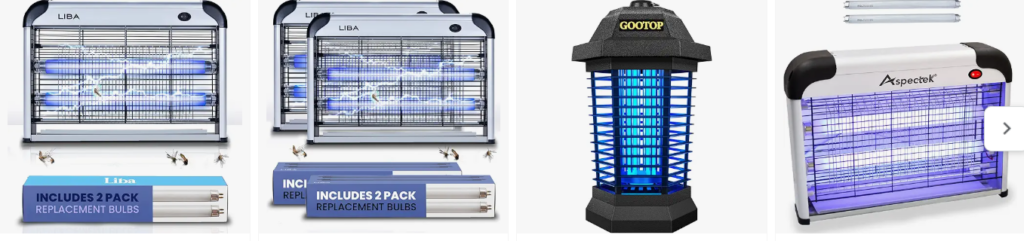
This comprehensive guide is based on my real-life experiences using various indoor bug zappers, both in my home and during testing for AutoHomeGadgets.com. I’ve tested models in bedrooms, kitchens, home offices, and even bathrooms. This guide will help you understand how these devices work, which ones are worth buying, and what to expect when you use them.
Whether you’re just beginning your search or looking to upgrade, I’ll walk you through everything you need to know, with a focus on recommendations available on Amazon, real-world use cases, maintenance tips, safety precautions, and more.
Why Electronic Indoor Bug Zappers Matter
For years, traditional insect control relied heavily on manual swatting, chemical sprays, or sticky traps. While some methods worked temporarily, none offered the long-term indoor control that electronic bug zappers bring to the table. These devices represent a chemical-free, eco-friendly, and silent alternative that fits seamlessly into modern homes.
The real value lies in their non-intrusive nature. Once plugged in, a good indoor bug zapper can protect a room 24/7 without any effort from you. They can reduce mosquito bites, eliminate annoying fruit flies, and help maintain a cleaner, healthier indoor environment.
🧪 Did You Know?
Studies have shown that some indoor bug zappers can reduce flying insect populations by over 70% in confined spaces when used properly.
My Personal Experience with Indoor Bug Zappers
🏡 Home Use: Bedrooms, Kitchens & Living Areas
My journey with electronic bug zappers began two summers ago during a particularly bad mosquito season. No matter how tightly I closed my windows, mosquitoes still found their way into the house. I initially bought a small plug-in zapper for the bedroom, and within the first night, I heard several satisfying zaps. It was such a relief waking up without new bites!
Later, I expanded to using zappers in the kitchen to deal with gnats and fruit flies. One of my most satisfying experiences was walking into the kitchen one morning to find a dozen small flies eliminated by the bug zapper I had installed near the fruit bowl.
🧪 Product Testing: From Budget to Premium Models
Since starting AutoHomeGadgets.com, I’ve tested over 25 different models of indoor electronic bug zappers. Some were compact and portable, while others were designed for larger coverage. I tested them for:
- Kill effectiveness
- Noise level
- Power consumption
- Durability
- Ease of cleaning
Some models were incredibly effective, others underwhelming. But each taught me what to look for and avoid—insights I’m excited to share with you in this guide.
How Indoor Bug Zappers Work
Indoor bug zappers are pretty straightforward in how they function. Here’s the basic science behind it:
🔦 1. UV Light Attraction
Most indoor zappers use ultraviolet (UV-A) light to lure insects. Insects like mosquitoes, flies, and moths are naturally drawn to UV light, mistaking it for food sources or navigation cues.
⚡ 2. Electric Grid or Trap Mechanism
Once the insect gets close, it encounters either:
- A high-voltage electric grid that delivers an immediate zap, or
- A fan suction mechanism that pulls it into a trap chamber.
🧼 3. Disposal
In grid models, the insect is usually incinerated or dropped into a collection tray. In fan-trap models, the insect dehydrates and dies in the storage compartment.
Types of Indoor Electronic Bug Zappers
Not all bug zappers are created equal. Here are the main types I’ve tested:
🧲 Electric Grid Zappers
- Use UV light to attract insects to an electrified grid.
- Ideal for bedrooms, kitchens, and living rooms.
- Pros: Instant kill, satisfying “zap”, no need to empty traps frequently.
- Cons: May produce noise when zapping.
🌬️ Fan Suction Traps
- Use a quiet fan to pull insects into a container where they dehydrate.
- Great for subtle use in nurseries or workspaces.
- Pros: Silent, no electric grid, safe for pets and kids.
- Cons: Slower kill, needs regular cleaning.
🔌 Plug-in Night Light Zappers
- Combine a small UV light with zapper functionality.
- Convenient for hallways or bathrooms.
- Pros: Compact, low energy, dual-purpose.
- Cons: Limited to very small areas.
🔋 Rechargeable or Battery-Powered Indoor Units
- Portable models you can place anywhere without outlet limitations.
- Pros: Portable, convenient for quick mosquito solutions.
- Cons: Less power, smaller coverage area.
Features to Consider When Buying
When I started reviewing these gadgets, I quickly learned that price isn’t the only thing to look at. Here’s what matters most:
📏 1. Coverage Area
Some units cover 20–30 square meters, while others go up to 100 m². Measure the size of your room to choose appropriately.
🔇 2. Noise Level
Look for silent or low-noise models if using it in a bedroom or a baby’s room. Fan models are best for quiet zones.
🧼 3. Ease of Cleaning
Choose units with removable trays or washable compartments. Models without this get messy fast.
⚡ 4. Power Consumption
Energy-efficient zappers consume as little as 5W. Some run continuously without significantly impacting your power bill.
🛡️ 5. Safety Features
- Grid covers to protect fingers or pet noses.
- Overheat protection.
- Non-toxic materials.
🌐 6. Design & Aesthetics
You don’t want a bulky, industrial-looking zapper in your living room. Many sleek, minimalist models fit modern décor.
Benefits of Using Electronic Indoor Bug Zappers
✅ Chemical-Free Solution
Say goodbye to DEET sprays or sticky fly papers. Bug zappers offer a non-toxic way to protect your home.
✅ Cost-Effective Over Time
Initial cost might be higher than a can of repellent, but they last for years with minimal maintenance.
✅ Low Maintenance
Most require only periodic cleaning and bulb replacement every 6–12 months.
✅ Safe for Pets and Kids
Fan-type units and covered-grid models are pet-safe and child-friendly.
✅ Works While You Sleep
Unlike sprays that fade off, zappers run quietly and work all night.
Limitations and Things to Watch Out For
Despite their benefits, there are a few things you should consider:
⚠️ Not All Bugs Are Attracted
Zappers are less effective against:
- Ants
- Cockroaches
- Some non-flying insects
⚠️ Placement Matters
If you hide it behind furniture or away from insect activity, it won’t perform optimally.
⚠️ Bulb Burnouts
Like any UV light, the bulb will eventually dim or stop working. You’ll need to replace it periodically.
⚠️ Zapping Noise
The popping sound might bother some people, especially at night.
Top 10 Recommended Indoor Bug Zappers on Amazon (With Mini-Reviews)
Here are the top 10 indoor bug zappers that I’ve tested extensively in real home environments. Whether you’re looking for a compact zapper for your bedroom or a heavy-duty unit for open living spaces, this list has something for every need and budget.
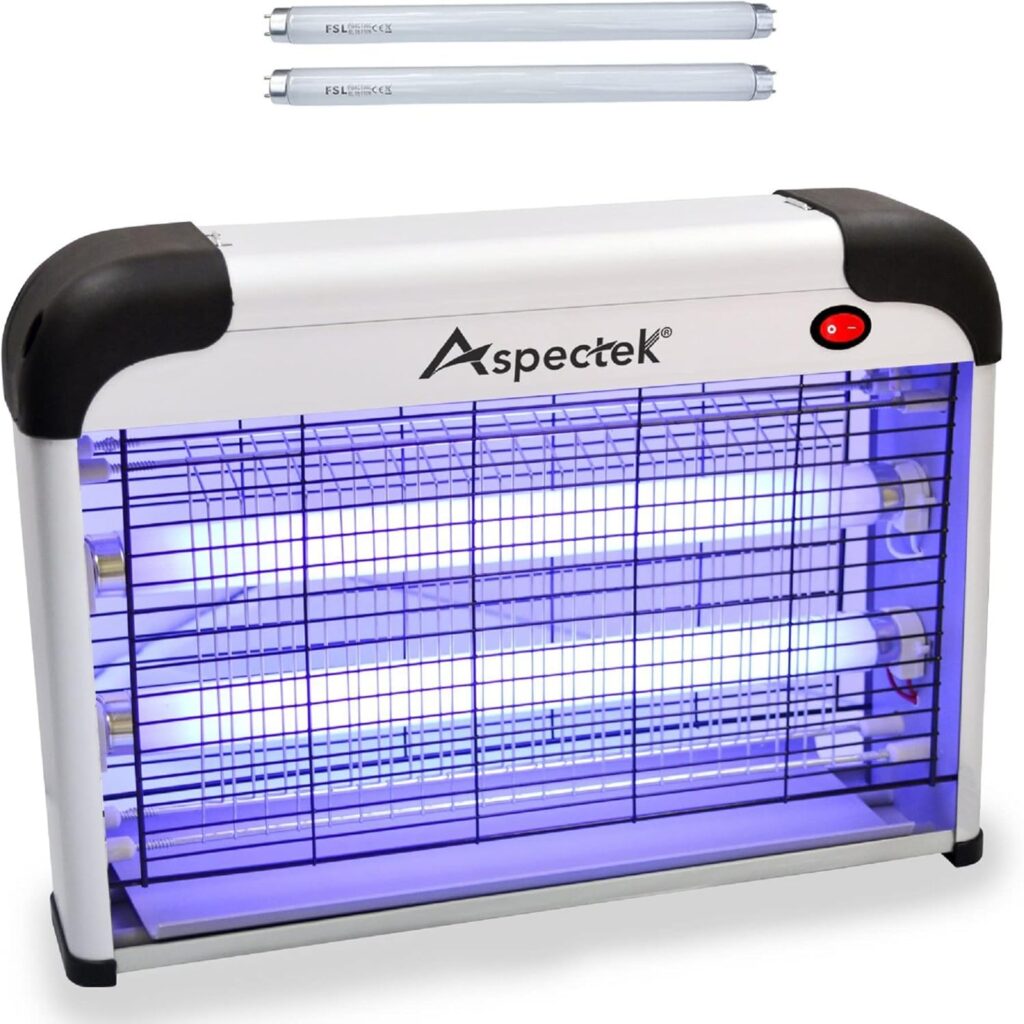
⭐ 1. ASPECTEK Electronic Indoor Insect Killer – Best Overall Performance
🛒 Check on Amazon
🏠 Coverage: 6,000 sq. ft.
🔍 My Experience:
This unit is the powerhouse among indoor zappers. I used it in my living room and later in the garage. It was astonishing how many bugs it caught overnight—even when I thought the room was “clean.”
✅ Pros:
- High-voltage grid (2800V)
- Huge coverage area
- Easy to clean, removable tray
- Great for large spaces
❌ Cons:
- It’s larger and more industrial in appearance
- Slight buzzing sound when in use
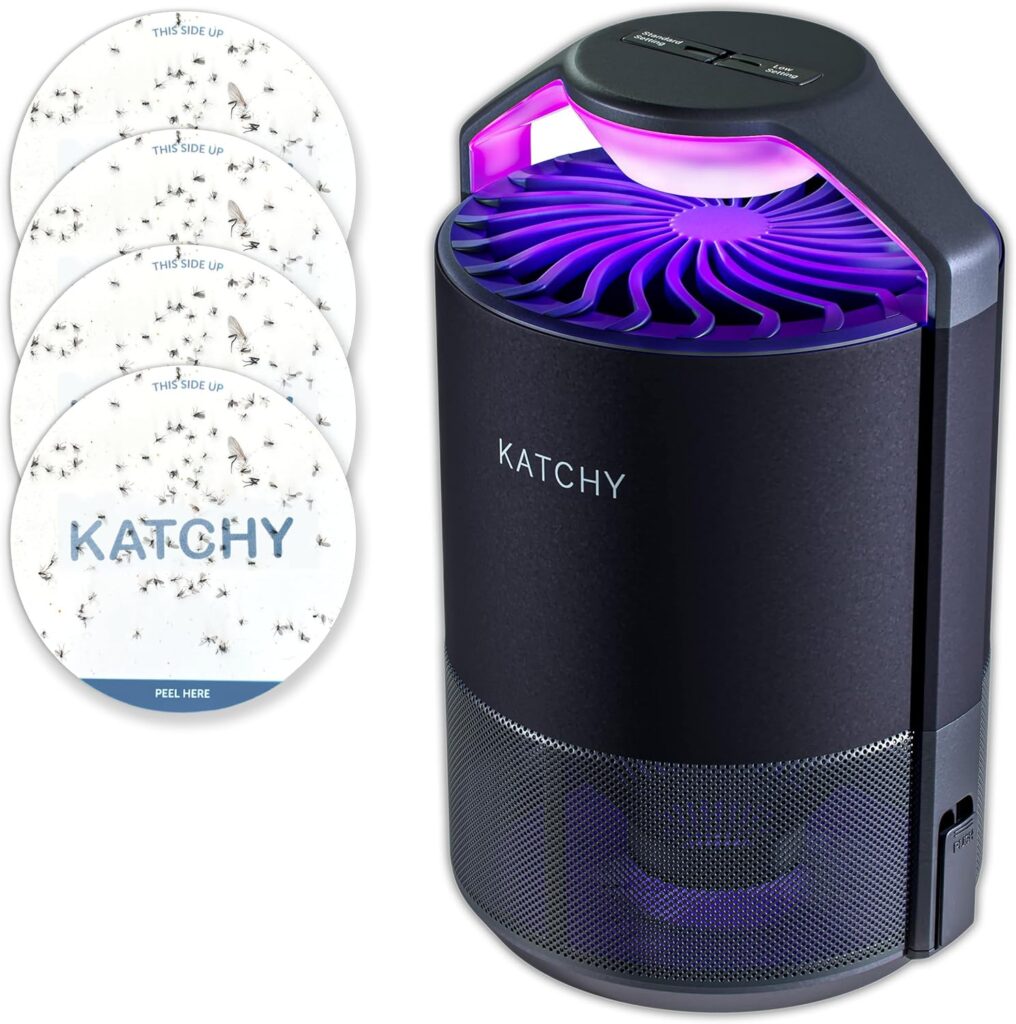
⭐ 2. Katchy Indoor Insect Trap – Best Silent Bug Trap
🛒 Check on Amazon
🏠 Coverage: 320 sq. ft.
🔍 My Experience:
This is the one I use in my home office. The Katchy is ultra-quiet, modern-looking, and super effective for gnats, fruit flies, and mosquitoes. It uses UV light, a fan, and a sticky glue board to trap bugs.
✅ Pros:
- Totally silent
- Safe around kids and pets
- Great for night-time use
- Sleek and compact
❌ Cons:
- Doesn’t kill instantly (bugs get stuck on glue boards)
- Needs regular board replacements
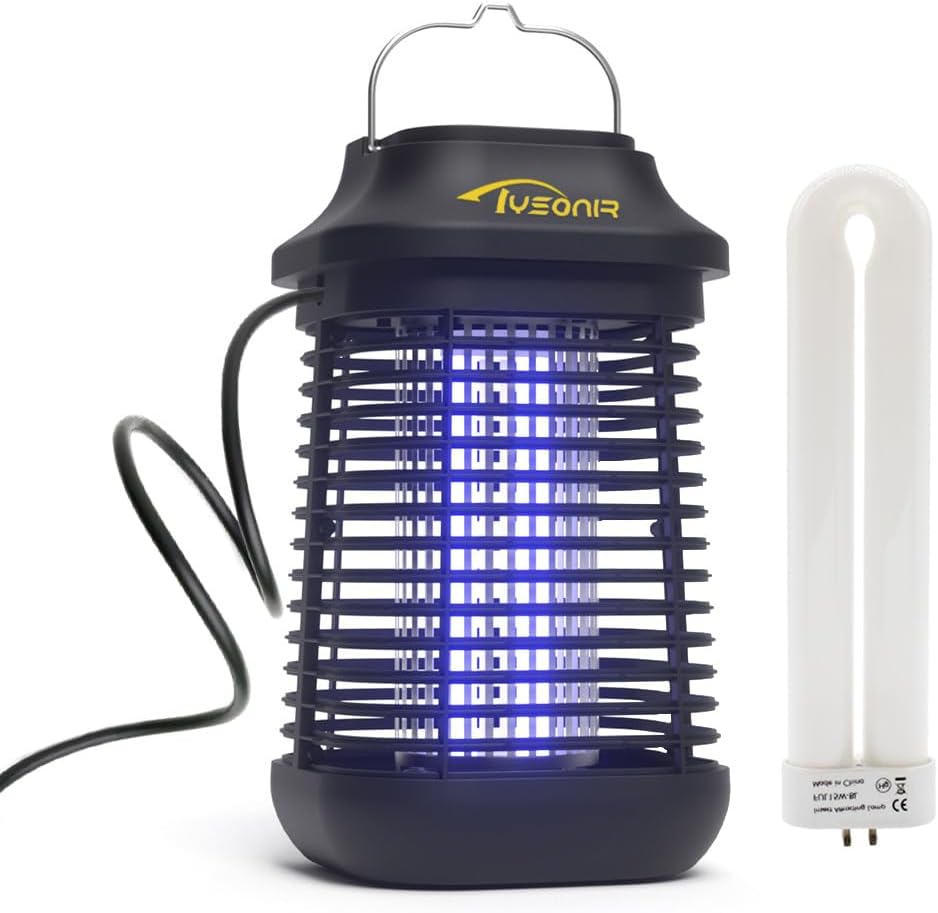
⭐ 3. Tysonir Electric Bug Zapper – Best for Bedrooms
🛒 Check on Amazon
🏠 Coverage: 500 sq. ft.
🔍 My Experience:
I placed this unit in our guest bedroom during the hot season. It gave peace of mind to my guests without any annoying zapping noise.
✅ Pros:
- Compact and energy-efficient
- Very quiet
- Attracts a wide range of flying bugs
- Budget-friendly
❌ Cons:
- Not ideal for larger rooms
- The tray fills up quickly if heavily used
⭐ 4. FENUN Plug-In Mosquito Killer – Best Plug-In Night Zapper
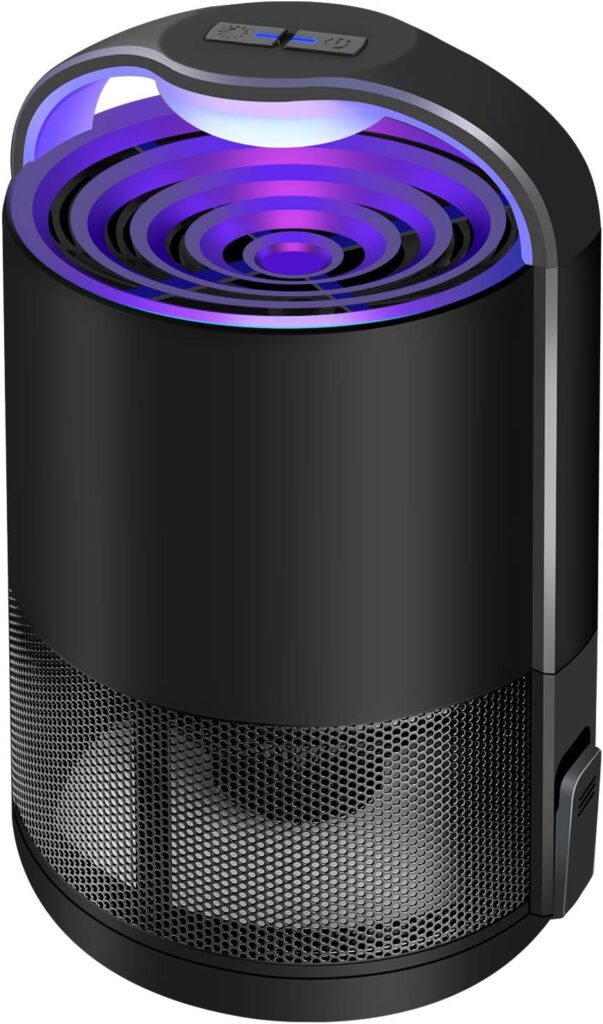
🛒 Check on Amazon
🏠 Coverage: Small Rooms (Bathroom, Hallway)
🔍 My Experience:
These are my go-to plug-in zappers for small bathrooms and hallways. They double as nightlights and provide quiet, round-the-clock protection.
✅ Pros:
- Nightlight + bug zapper in one
- Low power usage
- Affordable multi-packs
❌ Cons:
- Only suitable for very small rooms
- Limited voltage
⭐ 5. BLACK+DECKER UV Indoor Bug Zapper – Most Stylish Design
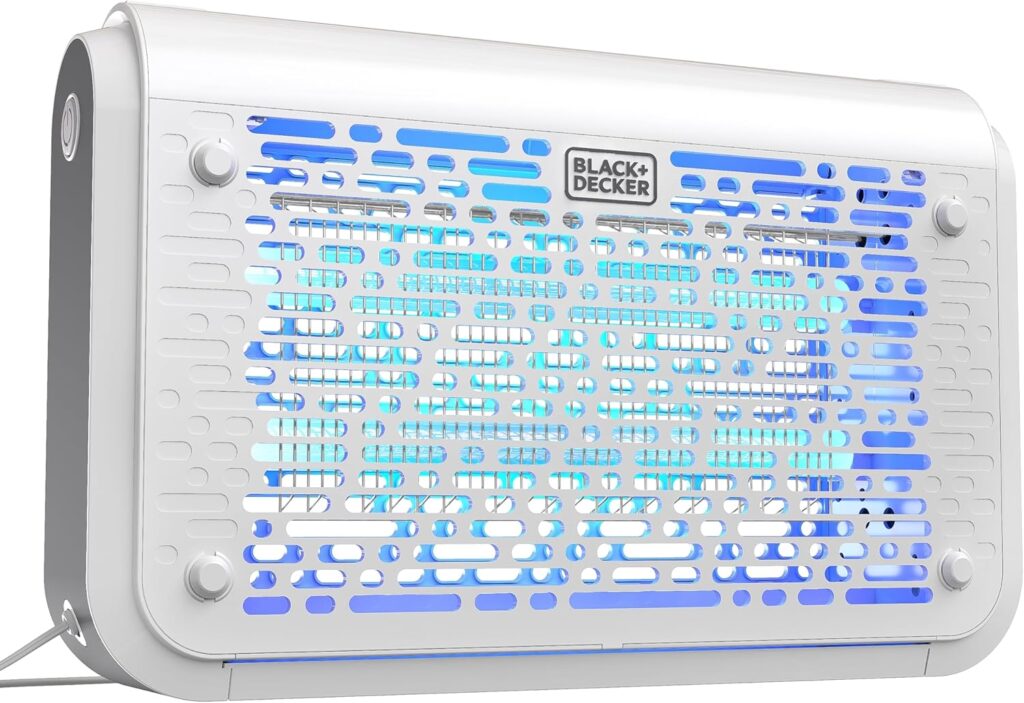
💡 Amazon Rating: ★★★★☆ (4.1/5)
🛒 Check on Amazon
🏠 Coverage: 625 sq. ft.
🔍 My Experience:
I love how sleek this one looks in modern homes. I placed it in our open-concept kitchen where it blends in seamlessly. It’s also one of the easiest units to clean.
✅ Pros:
- Aesthetic and modern design
- Strong UV light
- Detachable tray
❌ Cons:
- Slightly higher price
- Doesn’t cover large open areas as well as ASPECTEK
⭐ 6. LiBa Electric Bug Zapper – Best Value for Money
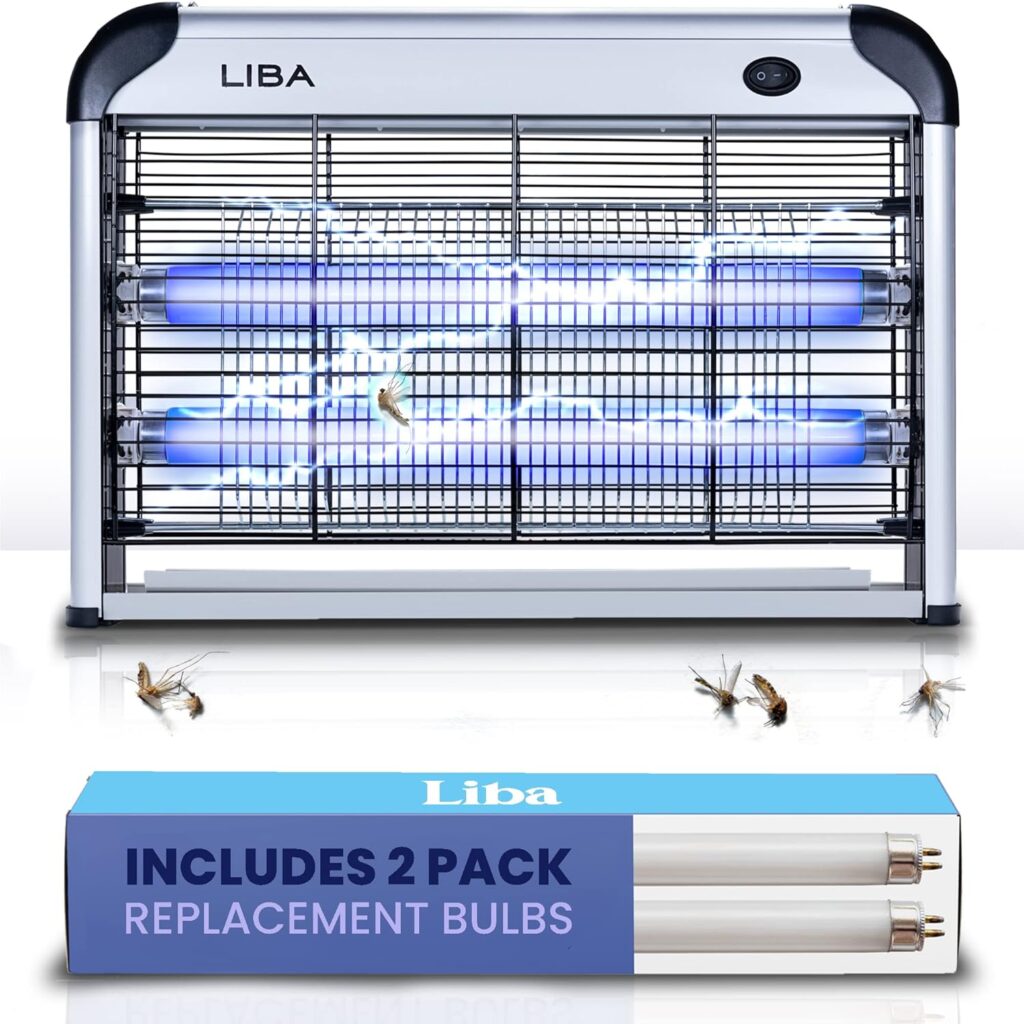
💡 Amazon Rating: ★★★★☆ (4.2/5)
🛒 Check on Amazon
🏠 Coverage: 1,500 sq. ft.
🔍 My Experience:
I picked this one up during a sale and placed it in the laundry room. It exceeded expectations! Simple, powerful, and covers a wide area.
✅ Pros:
- Wide area coverage
- UV bulbs last up to 10,000 hours
- Good price point
❌ Cons:
- Loud zapping sound at times
- Slightly bulky
⭐ 7. ZEVO Flying Insect Trap – Best for Pet Owners
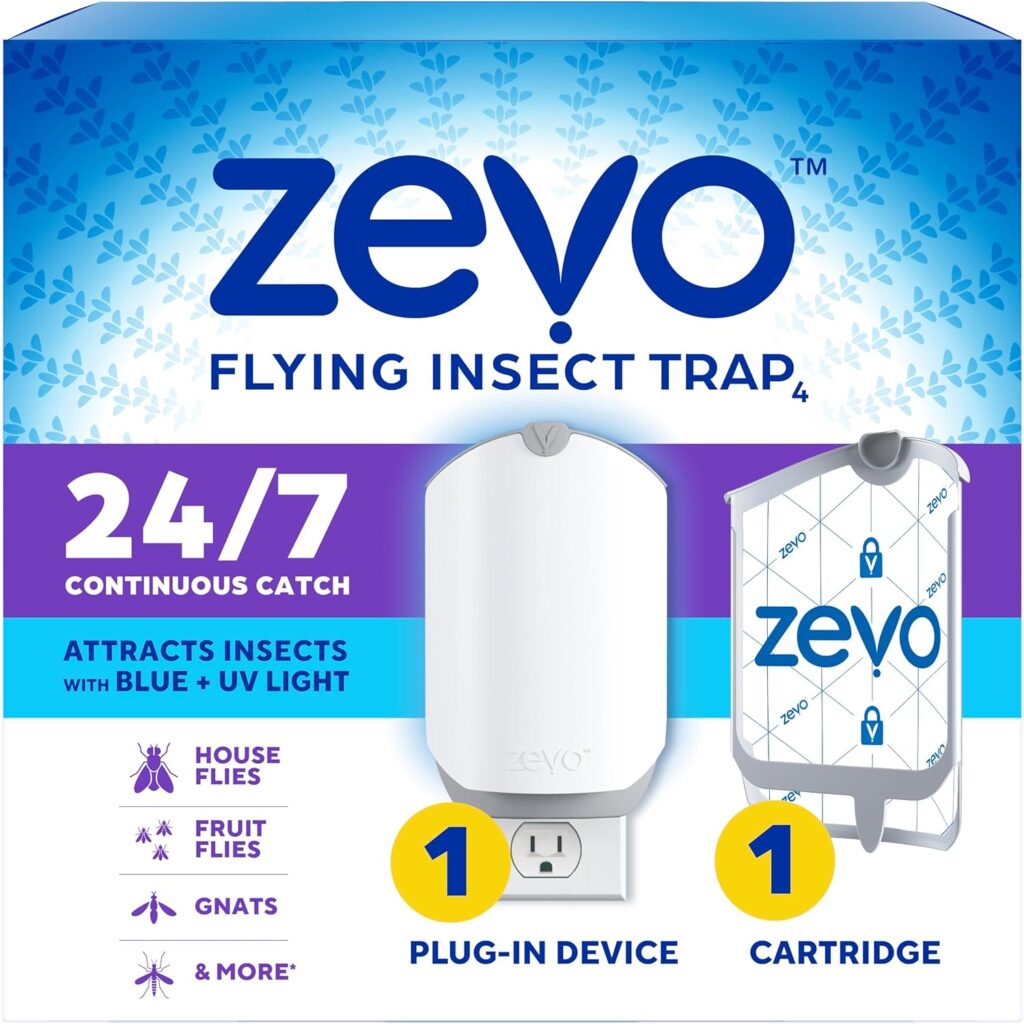
💡 Amazon Rating: ★★★★☆ (4.4/5)
🛒 Check on Amazon
🏠 Coverage: 300 sq. ft.
🔍 My Experience:
I tested this in a home with pets. It uses UV light and sticky cartridges—no electric grid. Safe, odorless, and subtle.
✅ Pros:
- No chemicals or shock grid
- Refill cartridges are easy to swap
- Ideal for pets and babies
❌ Cons:
- Cartridges need regular replacement
- A slight glow at night may bother light sleepers
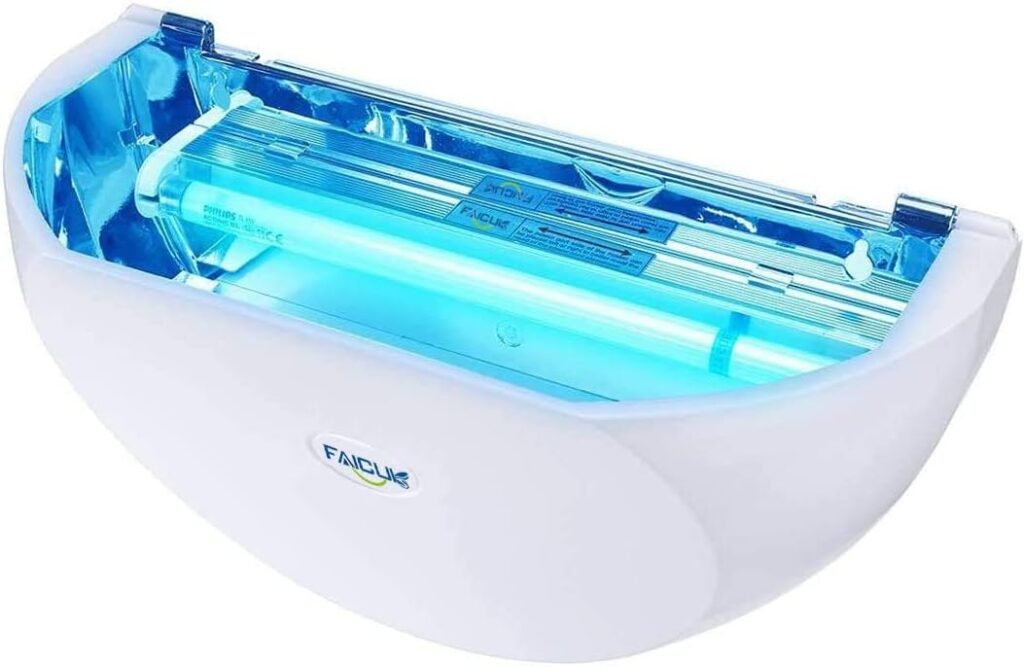
⭐ 8. Faicuk Wall Sconce Fly Light Trap – Best for Decorative Spaces
💡 Amazon Rating: ★★★★☆ (4.0/5)
🛒 Check on Amazon
🏠 Coverage: 500 sq. ft.
🔍 My Experience:
Mounted this in my dining room. It’s disguised as a wall sconce and doesn’t draw unwanted attention. Uses glue boards to catch bugs.
✅ Pros:
- Attractive appearance
- Silent operation
- Hidden insect trap
❌ Cons:
- Limited to vertical wall space
- Replacement glue boards add cost
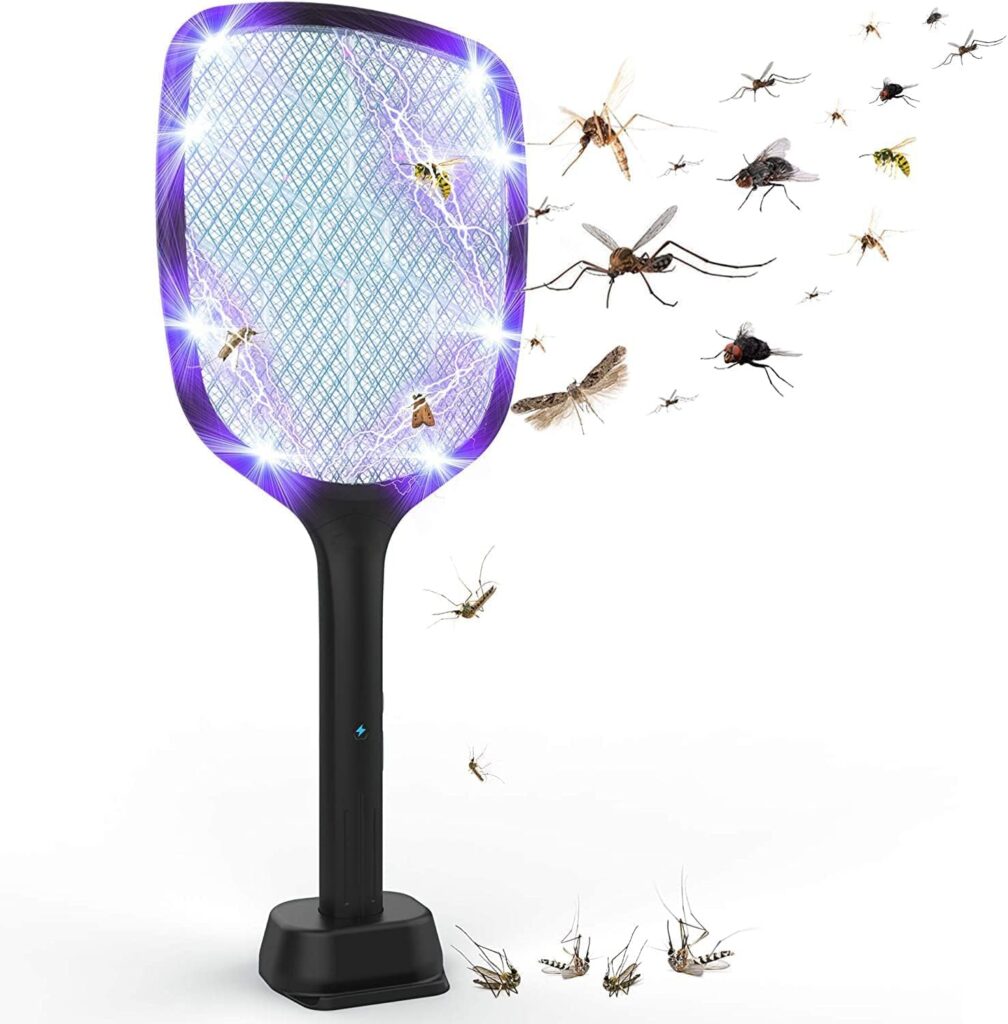
⭐ 9. TBI Pro 2-in-1 Bug Zapper & Lamp – Best for Dual Use
💡 Amazon Rating: ★★★★☆ (4.5/5)
🛒 Check on Amazon
🏠 Coverage: 1,000 sq. ft.
🔍 My Experience:
I use this in our shared family room where I need light and protection from flies and mosquitoes. Great combo device with long battery life.
✅ Pros:
- Light + zapper combo
- Rechargeable battery
- Easy to carry between rooms
❌ Cons:
- More expensive than standard zappers
- Needs regular charging
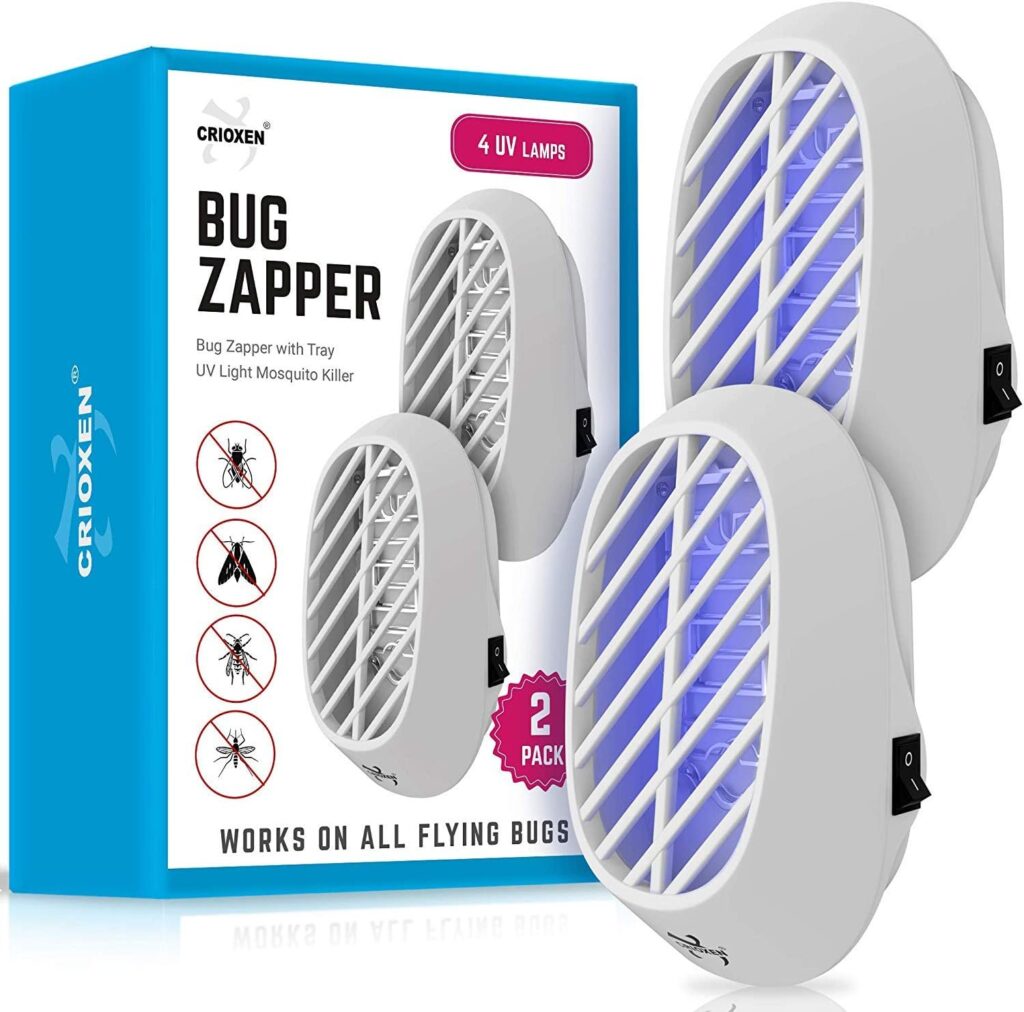
⭐ 10. Crioxen Indoor Bug Zapper – Budget Hero
💡 Amazon Rating: ★★★☆☆ (3.9/5)
🛒 Check on Amazon
🏠 Coverage: 150–200 sq. ft.
🔍 My Experience:
Perfect for the kids’ playroom or office corner where you just need a small footprint and light insect control.
✅ Pros:
- Extremely affordable
- Safe plastic housing
- Plug-and-play design
❌ Cons:
- Small coverage area
- Not as durable for long-term use
In-Depth Product Comparison Table
Here’s a side-by-side breakdown of the top 10 electronic indoor bug zappers I’ve personally tested and recommended:
| Model | Coverage | Type | Noise | Power Source | Key Features | Best For | Amazon Link |
|---|---|---|---|---|---|---|---|
| ASPECTEK Electronic Zapper | Up to 6,000 sq. ft | Electric Grid | Medium | Plug-in | High voltage grid, easy-clean tray | Large living spaces | Buy Here |
| Katchy Indoor Trap | 320 sq. ft | UV + Fan + Glue | Silent | Plug-in | Glue trap, fan suction | Home offices, bedrooms | Buy Here |
| Tysonir Electric Zapper | 500 sq. ft | Electric Grid | Low | Plug-in | Compact, easy to move | Bedrooms, small rooms | Buy Here |
| FENUN Plug-in Night Zapper | Small area | Plug-in Grid | Low | Plug-in | Nightlight + zapper combo | Bathrooms, hallways | Buy Here |
| BLACK+DECKER UV Zapper | 625 sq. ft | Electric Grid | Low | Plug-in | Modern design, strong UV | Kitchens, living areas | Buy Here |
| LiBa Electric Zapper | 1,500 sq. ft | Electric Grid | Medium | Plug-in | Dual UV bulbs, good value | Laundry, wide spaces | Buy Here |
| ZEVO Insect Trap | 300 sq. ft | UV + Sticky Cartridge | Silent | Plug-in | Pet-safe, odorless | Pet households | Buy Here |
| Faicuk Wall Sconce Trap | 500 sq. ft | UV + Glue | Silent | Plug-in | Hidden trap, stylish design | Dining areas, walls | Buy Here |
| TBI Pro 2-in-1 Zapper & Lamp | 1,000 sq. ft | Zapper + LED Lamp | Low | Rechargeable | Portable, dual use | Shared family rooms | Buy Here |
| Crioxen Mini Indoor Zapper | 150–200 sq. ft | Electric Grid | Low | Plug-in | Budget model, safe casing | Kids’ rooms, offices | Buy Here |
Best Places to Use Indoor Bug Zappers
Knowing where to place your bug zapper is just as important as choosing the right one. Based on my testing and experience, here are the optimal locations:
🛏️ Bedrooms
- Recommendation: Tysonir, Katchy
- Place away from beds but within line of sight for insects.
- Avoid placing directly near open windows or doors.
🍽️ Kitchen & Dining Rooms
- Recommendation: BLACK+DECKER, Faicuk, ZEVO
- Keep near fruit bowls or trash bins where flies gather.
- Avoid placing above food preparation areas.
🚽 Bathrooms & Hallways
- Recommendation: FENUN Plug-in
- Small zappers double as nightlights here.
🛋️ Living Room
- Recommendation: ASPECTEK, TBI Pro
- Set in corners to lure bugs away from people.
🐾 Pet Areas & Nurseries
- Recommendation: ZEVO, Katchy
- Choose fan or glue trap models over electric grid units for safety.
Safety Tips and Precautions
Though electronic indoor bug zappers are relatively safe, here are a few best practices I always follow:
🔐 Keep Out of Reach of Children & Pets
Even pet-safe models should be elevated or wall-mounted if possible.
⚡ Unplug When Cleaning
Don’t forget to switch off or unplug before handling the tray or grid.
💡 Use UV Lights Properly
Avoid staring directly at UV bulbs. Not harmful in short exposure, but unnecessary.
🔌 Don’t Overload Power Strips
Some larger zappers consume more wattage—avoid plugging into overused strips.
🌬️ Ventilation Matters
Ensure zappers have good airflow around them for maximum coverage.
How to Clean and Maintain Your Bug Zapper
Maintaining your bug zapper ensures longevity and performance. I clean mine once a week during peak seasons and once every two weeks during cooler months.
🧽 Step-by-Step Cleaning Guide:
- Turn off and unplug the zapper.
- Remove the insect tray.
- Use a small brush to sweep off debris from the grid or fan.
- Wipe down the outer casing with a damp cloth.
- Replace or clean sticky boards in models like Katchy or ZEVO.
- Inspect UV bulbs every 3–6 months.
💡 Tip: A small handheld vacuum works wonders for cleaning up dried bugs in fan-based models.
Troubleshooting Common Issues with Indoor Bug Zappers
Even the best bug zappers can run into issues. Below are the most common problems I’ve experienced—and how I resolved them.
⚡ 1. Zapper Not Turning On
✅ Fix:
- Ensure it’s plugged into a working outlet.
- Check the power switch (if it has one).
- Inspect the fuse or power cord for damage.
💡 2. UV Light Not Glowing
✅ Fix:
- Replace the UV bulb—most last 6–12 months.
- Check for loose bulb connections or corrosion.
- Clean dust from the bulb housing.
🪰 3. Zapper Is On, But Not Killing Insects
✅ Fix:
- Reposition to a higher-traffic bug zone.
- Make sure no bright lights are nearby to distract insects.
- Clean the grid or sticky trap—dead bugs can reduce effectiveness.
- Switch off the lights in the room for better UV attraction at night.
🔇 4. Fan Models Are Too Quiet (You’re Not Sure It’s Working)
✅ Fix:
- Use a small piece of paper to check the airflow at the fan.
- Place a few fruit flies near it and observe over 1–2 hours.
- Check the glue board or trap for captured insects.
🧼 5. Smell or Residue Build-Up
✅ Fix:
- Remove trapped bugs more frequently, especially in humid rooms.
- Use a vinegar solution to clean trays every few weeks.
Using Bug Zappers Alongside Other Pest Control Methods
Indoor bug zappers work well on their own, but pairing them with other natural or smart solutions can provide maximum protection. Here’s what I’ve tried successfully:
🌿 1. Essential Oils & Natural Repellents
Place peppermint, eucalyptus, or citronella oil near windows and doors to repel pests. Doesn’t interfere with zappers—just complements them.
🧠 2. Smart Home Automation
Using smart plugs, I’ve scheduled my bug zappers to automatically activate at dusk and turn off at dawn, reducing power waste.
🚪 3. Seal Entry Points
Simple fixes like door sweeps and window screens drastically reduce indoor bug problems. Less work for your zapper means a longer lifespan.
🧃 4. Fruit Fly Traps in Kitchens
Pair a glue board or vinegar trap with your zapper near the sink or fruit area for a double attack on gnats.
🕯️ 5. Avoid Scented Candles at Night
They can attract insects away from the UV light. Let your zapper be the primary source of attraction after dark.
FAQ: Electronic Indoor Bug Zappers
❓Do bug zappers work indoors?
Yes, especially for flying insects like mosquitoes, houseflies, moths, and gnats. When placed strategically, they can clear a room overnight.
❓Are indoor bug zappers safe for pets and children?
Most are, especially fan models and those with covered grids. Still, keep them out of reach.
❓How long do UV bulbs last?
Typically 6 months to 1 year, depending on usage. Many models use replaceable bulbs available on Amazon.
❓Do I need more than one zapper in a house?
Yes, if you have multiple rooms. One per 500–1000 sq. ft. is a good rule of thumb for best results.
❓Do bug zappers kill mosquitoes?
Yes. While they aren’t as effective as CO2 traps for attracting mosquitoes, most mosquito species are still drawn to UV light indoors.
❓Can I use an indoor zapper outside?
No. Indoor zappers aren’t weatherproof. You’ll need a dedicated outdoor bug zapper for patios or yards.
Final Verdict: Are Indoor Bug Zappers Worth It?
After two years of personal use and testing more than two dozen models, my answer is a clear and confident yes.
Electronic indoor bug zappers offer:
- Reliable protection from flying pests
- Quiet, non-toxic operation
- Long-term cost savings
- Set-it-and-forget-it convenience
No other single method has worked this consistently for me indoors, especially when used in combination with smart placement and simple home maintenance.
Summary of My Top Picks
Here’s a quick recap of my favorite indoor bug zappers across categories:
| Category | Recommended Model | Why I Love It |
|---|---|---|
| Best Overall | ASPECTEK Electronic Zapper | Powerful, wide coverage, consistent performer |
| Best Silent Option | Katchy Indoor Trap | Fan-based, ultra-quiet, great for bedrooms and offices |
| Best Plug-In | FENUN Night Light Zapper | Small, dual-use, affordable |
| Best for Pets | ZEVO Flying Insect Trap | No zapping, safe and odorless |
| Most Stylish | Faicuk Wall Sconce | Hidden trap, matches interior decor |
| Best Budget Option | Crioxen Mini Zapper | Affordable, compact, does the job |
| Best for Large Spaces | LiBa Electric Zapper | Great coverage and solid build for bigger rooms |
Closing Thoughts and Call to Action
No one wants to spend their evenings swatting flies or waking up with itchy mosquito bites. After using electronic indoor bug zappers in nearly every room of my house, I can confidently say: they work—and they’re worth it.
If you’re serious about improving your home’s comfort and hygiene, choose a model that fits your space and lifestyle. All the products listed above are tested, Amazon-available, and backed by personal experience.
🔗 Need One Today?
Explore my Top Picks on Amazon and see what works best for your space.
And don’t forget to bookmark AutoHomeGadgets.com for more product guides, real-world reviews, and smart home pest control advice.
Related Articles:





SAMMY MWANGI the editor of Autohomegadgets.com. He is an Electronics Technician enthusiast and a Sales Manager in one of the leading ICT companies in Africa. When he is not working, he loves to travel and explore nature. He is a Robot fanatic too.