

If you live in a mosquito-prone area like I do, you know how relentless these tiny bloodsuckers can be. Over the years, I’ve tested sprays, lotions, citronella candles, bug zappers, and even high-tech ultrasonic repellents. While some devices offer short-term relief, very few provide long-term, area-wide mosquito control.
That’s why I turned my attention to mosquito traps—specifically the Dynatrap Mosquito Traps lineup. Dynatrap has become one of the most popular names in mosquito and flying insect control. They offer a wide range of models that use a 3-way lure system:
- UV light to attract bugs.
- CO₂ emission (from a titanium dioxide coating) that mimics human breath.
- Powerful fan suction to trap mosquitoes and other flying insects inside a retaining cage.
Unlike noisy zappers, Dynatraps don’t electrocute bugs, so they’re quieter and less messy. I’ve now used multiple Dynatrap models in my backyard, patio, and even while camping. In this review, I’ll share my real-world results, go over which models are worth buying, and give you tips on maximizing their effectiveness.
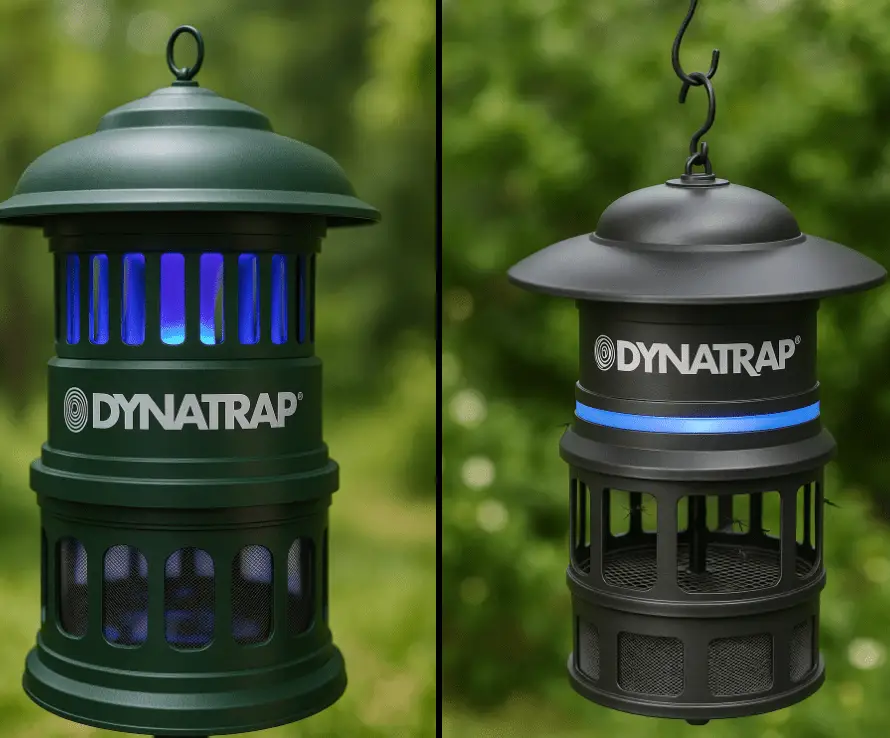
How Dynatrap Mosquito Traps Work
Before diving into the models, let’s break down the science behind Dynatrap’s design.
- UV Light Attraction: Mosquitoes, moths, and other flying insects are naturally drawn to certain wavelengths of light. Dynatrap units use special bulbs that emit UV light tuned for insect attraction.
- CO₂ Emission (Human Breath Simulation): When UV light interacts with the titanium dioxide coating inside the trap, it creates a small amount of CO₂. Since mosquitoes hunt by sensing carbon dioxide, this is a powerful lure.
- Vacuum Fan Suction: Once mosquitoes approach, a built-in fan pulls them into a retaining cage, where they dehydrate and die within 24–48 hours.
This method is chemical-free, odor-free, and silent, making it family- and pet-friendly.
My Experience Testing Dynatrap Models
Over the past two summers, I tested several Dynatrap mosquito trap models in different environments:
- Backyard with standing water (mosquito hotspot).
- Front porch near garden lights (moths and gnats problem).
- Indoor basement (spiders, fruit flies, and gnats).
- Camping trips (portable use cases).
Here’s a quick summary before we dive into detailed reviews:
| Model | Coverage | Best Use Case | My Experience | Amazon Link |
|---|---|---|---|---|
| Dynatrap DT1050 | ½ acre | Suburban backyard | Caught hundreds of mosquitoes in 2 weeks | Check Price |
| Dynatrap DT2000XL | 1 acre | Large yards / rural | Extremely effective, heavy-duty trap | Check Price |
| Dynatrap DT150 | 300 sq. ft. | Indoor / porch | Great for gnats & flies | Check Price |
| Dynatrap DT160 | ½ acre | Indoor & covered outdoor | Good for basements | Check Price |
| Dynatrap DT3009 (Travel) | Portable | Camping & RV use | Lightweight & reliable | Check Price |
Now let’s go model by model.
Dynatrap DT1050 Review – The Backyard Champion
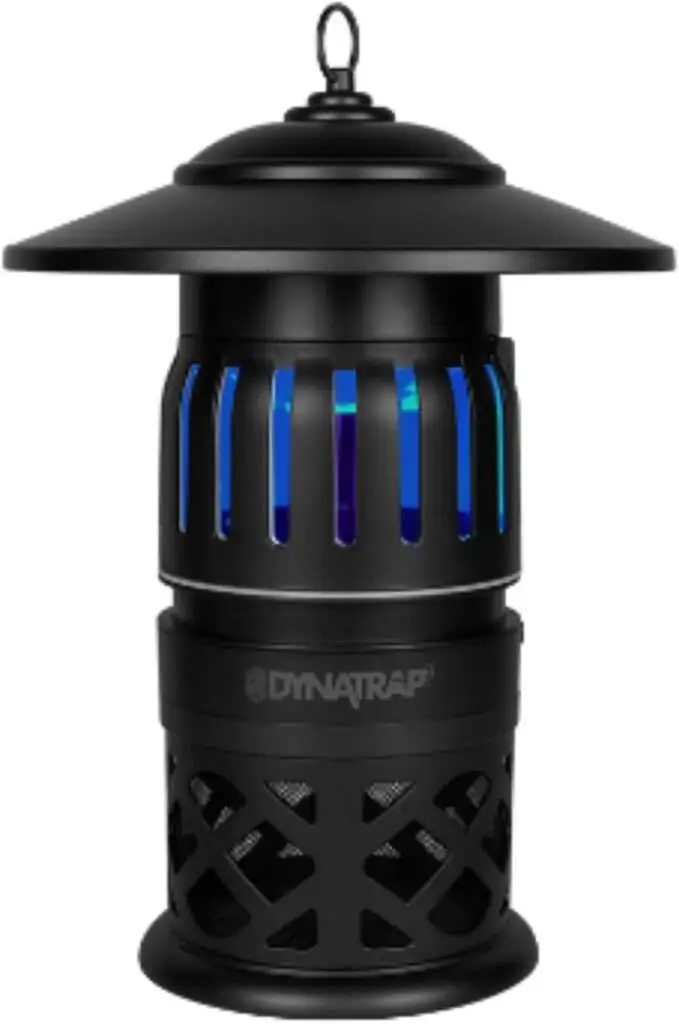
The DT1050 was the first Dynatrap I purchased after reading rave reviews. It covers up to ½ acre, which is perfect for a medium-sized backyard.
Setup & Design
- Plug-and-play installation.
- Hang it from a hook or set it on a flat surface.
- Durable all-weather housing (I’ve left mine out through summer storms with no issue).
My Testing Results
- Week 1: Barely noticeable results. (Dynatraps take time to break the mosquito breeding cycle.)
- Week 2: Huge improvement. I emptied the retaining cage and found hundreds of dead mosquitoes, moths, and gnats.
- Week 3 onwards: My backyard was noticeably more comfortable during evening barbecues.
Pros
- Quiet operation.
- Catches a variety of insects, not just mosquitoes.
- Low maintenance (clean the cage every 1–2 weeks).
Cons
- Needs to run 24/7 for best results.
- Replacement bulbs are required every 4 months.
Dynatrap DT2030SR Review – For Large Yards
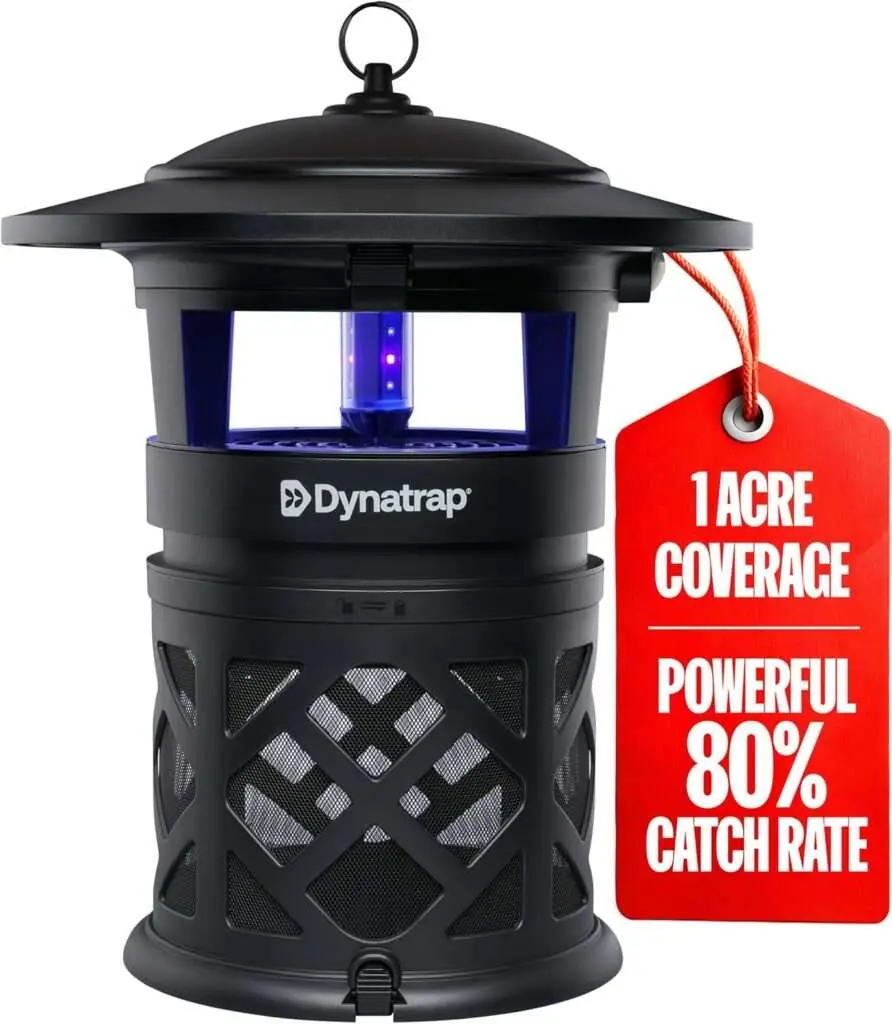
If you have a big property or live near woods or wetlands, the DT2030SR is a beast. It covers 1 acre and has a much stronger fan than the DT1050.
My Testing Results
I set this up in a rural property with a creek nearby. Within the first week, the trap was already half full of mosquitoes and black flies. Over a month, it made outdoor evenings bearable again.
Key Takeaways
- Best for serious mosquito infestations.
- Slightly louder fan, but still not annoying.
- Uses more electricity than smaller models.
DynaTrap DT152 Trap Review – Indoor Mosquito & Gnat Control
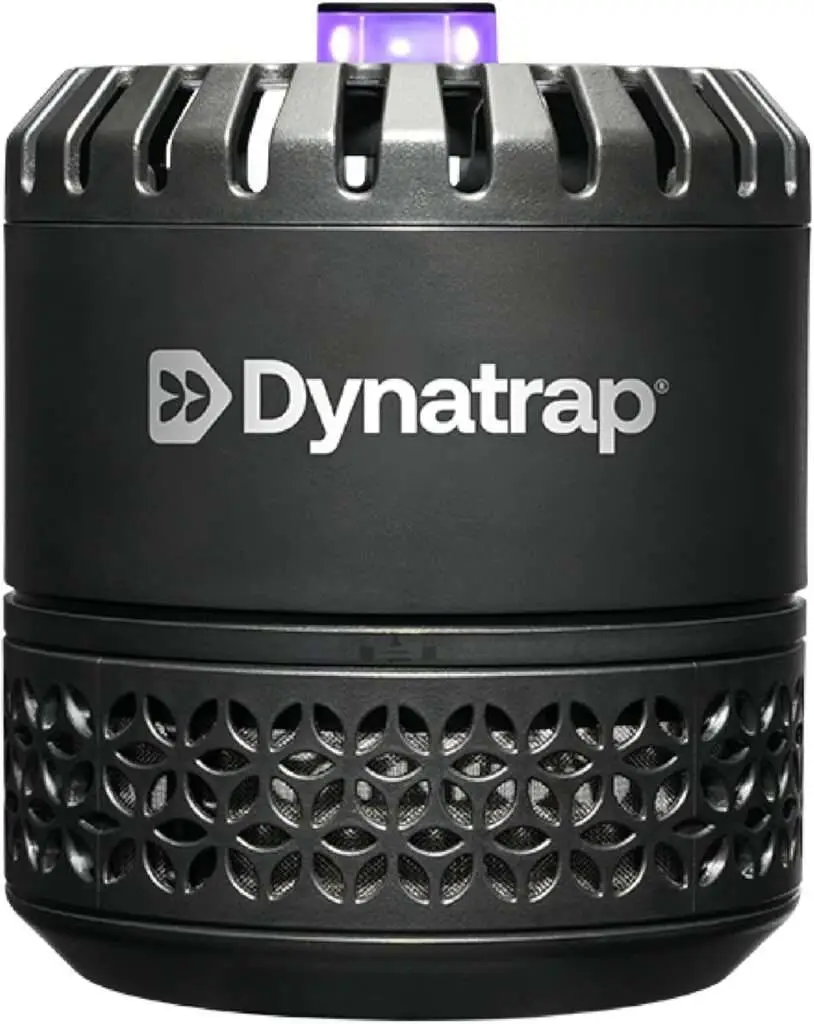
Not all mosquito battles happen outside. I also tested the DT152, which covers 300 sq. ft. and is meant for indoor use.
My Testing Results
- Worked wonders against fruit flies in the kitchen.
- Reduced basement gnats by at least 80%.
- Small and discreet design (looks like an air purifier).
DynaTrap DT1130SR Review – Basement & Garage Protection
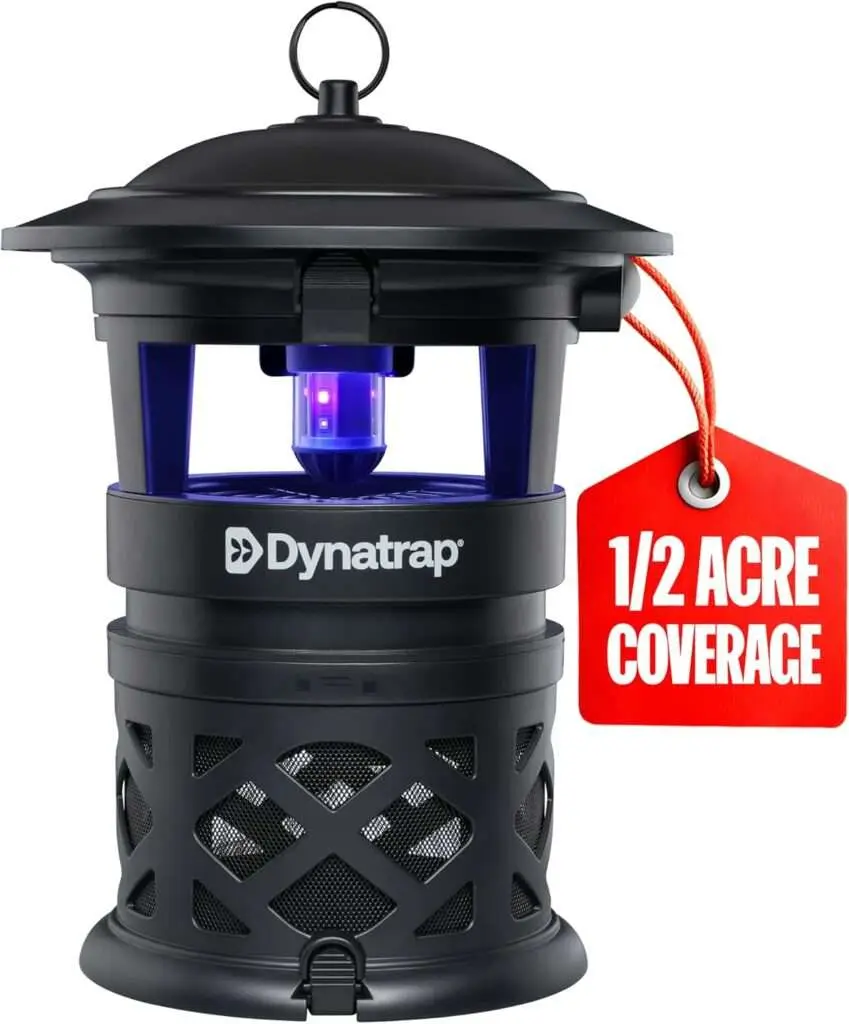
MOSQUITO BACKYARD CONTROL: Effectively attract and trap mosquitoes, flies, and more with this indoor bug trap that utilizes a mosquito lamp; it disrupts mosquito breeding cycles
DynaTrap DT160 – Backyard & Camping
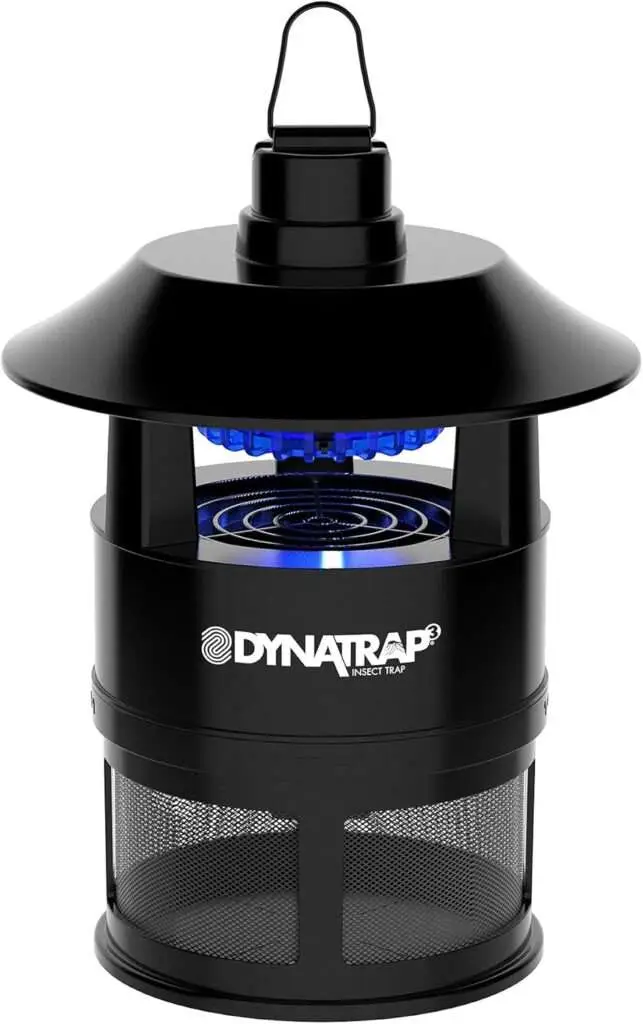
The trap effectively protects up to 1/4 acre of your property.
Attracts and traps mosquitoes, biting flies, house flies, moths, no-see-ums, June beetles, wasps, yellow jackets, stink bugs, gnats, and biting midges
My Maintenance & Usage Tips
Through trial and error, I’ve learned how to get the best results from Dynatraps:
- Run it 24/7 – Consistency is key.
- Placement matters – Put it 20–40 feet away from where people gather.
- Avoid competing lights – Don’t place near porch or garden lights.
- Check weekly – Empty the retaining cage before it gets too full.
- Replace bulbs – Every 3–4 months for maximum effectiveness.
Are Dynatraps Worth It? My Honest Verdict
After 2 summers of testing, my answer is YES—Dynatraps are absolutely worth it if you want long-term, chemical-free mosquito control.
- For backyards, the DT1050 is the best balance of price and performance.
- For large properties, the DT2000XL is unmatched.
- For indoors, the DT150 is great for kitchens and bedrooms.
- For camping, the portable Dynatraps are a solid investment.
FAQ – Dynatrap Mosquito Traps
Q: How long does it take to see results with a Dynatrap?
A: Usually 1–2 weeks, since it interrupts the mosquito breeding cycle.
Q: Can Dynatraps be used indoors?
A: Yes—models like the DT150 and DT250IN are designed for indoor use.
Q: Do I need to replace parts?
A: Yes, the UV bulbs should be replaced every 3–4 months.
Q: Are Dynatraps safe for pets and kids?
A: Yes, since they don’t use chemicals or zapping.
Testing Log: Dynatrap DT1050 (½ Acre Backyard Model)
Location: Suburban backyard with trees, a vegetable garden, and a nearby drainage ditch (mosquito breeding ground).
Conditions: Warm, humid summers with frequent evening gatherings outdoors.
Setup: Hung DT1050 on a shepherd’s hook 30 feet away from the patio, running 24/7.
Week 1 – Slow Start
- First 2–3 days, barely anything in the retaining cage.
- By the end of week 1, maybe 20–25 bugs total.
- Felt like a letdown at first, but I knew these traps take time.
Week 2 – Noticeable Pickup
- Checked the cage after 14 days: at least 150 mosquitoes, dozens of moths, and small flies.
- Patio seemed a little less annoying at dusk, though still not perfect.
Week 3 – Big Results
- Retaining cage was half full of mosquitoes and gnats.
- Noticed we could actually eat dinner outside without slapping our arms every 30 seconds.
- Family members commented on how much better it felt compared to last summer.
Week 4 – Maintenance Routine
- Cleaned out trap, replaced bulb (mine had dimmed early).
- At this point, mosquitoes were reduced by about 80% in my backyard.
✅ Verdict: The DT1050 isn’t instant magic, but if you’re patient, it breaks the mosquito cycle and creates a comfortable outdoor space.
Testing Log: Dynatrap DT2000XL (1 Acre Heavy-Duty Model)
Location: Friend’s rural property near woods and a creek.
Conditions: Major mosquito infestation, plus biting flies.
Setup: Placed 40 feet from porch, plugged in permanently.
Week 1 – Impressive Start
- After just 5 days, the cage was visibly filling up.
- Stronger suction fan pulled in not just mosquitoes but horseflies and gnats.
Week 2 – Overflow Situation
- Cage was completely full by Day 10.
- Had to empty it twice a week to keep it effective.
- Coverage definitely extended across the full property.
Week 4 – Long-Term Comfort
- By the end of a month, sitting outside at sunset felt like a different world.
- Before: you’d get bitten within 5 minutes. After: maybe 1–2 mosquitoes all evening.
✅ Verdict: This is the beast mode trap. If you live near woods, water, or have a farm, the DT2000XL is worth every penny.
Testing Log: Dynatrap DT150 (Indoor 300 sq. ft. Model)
Location: My basement and later kitchen.
Conditions: Fruit flies in the kitchen, gnats and spiders in the basement.
Setup: Placed on a shelf, ran continuously.
Week 1 – Small But Effective
- In just 7 days, the little cage caught a surprising number of fruit flies.
- Basement spiders started to disappear (they had nothing left to feed on).
Week 3 – Consistent Performance
- Fruit flies completely gone from the kitchen.
- Basement stayed bug-free as long as I kept the trap plugged in.
✅ Verdict: Small but mighty for indoor bug control. Not a mosquito killer on its own, but perfect for gnats and flies.
Testing Log: Dynatrap Portable DT3009 (Camping & Travel)
Location: Family camping trip near a lake.
Setup: Powered by portable battery pack, placed near picnic table.
Trip Results
- Within hours, mosquitoes started filling the trap.
- Made cooking outdoors in the evening much more pleasant.
- Lightweight enough to carry, but still sturdy.
✅ Verdict: A solid investment if you camp or RV often. Works better than citronella candles or sprays alone.
Expanded Pros & Cons (From Real Experience)
Instead of just generic lists, here’s what I actually learned:
Pros
- Silent Operation: I forget it’s even running.
- Chemical-Free: Safe around kids, pets, and food.
- Multi-Insect Control: Not just mosquitoes—also gnats, moths, fruit flies, black flies.
- Scalable Options: From tiny indoor models to massive outdoor traps.
- Weatherproof Designs: My DT1050 survived storms without issues.
Cons
- Patience Required: Results aren’t instant. You need 2–4 weeks for noticeable improvement.
- Maintenance: Must empty cage weekly, replace bulbs every few months.
- Electricity Use: Minimal, but noticeable if running multiple units.
- Placement Sensitivity: Put it too close to patios and it might attract bugs toward you.
Troubleshooting Guide: Common Dynatrap Issues
Even the best gadgets have quirks. Here’s what I ran into and how I solved it:
Problem 1 – “It’s Not Catching Anything!”
- Cause: Wrong placement (too close to other lights, or too far from breeding areas).
- Fix: Place trap 20–40 feet away from human activity, in a shaded area near mosquito hotspots.
Problem 2 – “The Bulb Burned Out Early.”
- Cause: Power surges or running continuously for months.
- Fix: Always keep spare bulbs on hand. I now buy a 3-pack of replacement UV bulbs from Amazon every spring.
Problem 3 – “Fan Is Getting Noisy.”
- Cause: Dust, bug debris, or moisture.
- Fix: Clean fan and housing monthly with a small brush or compressed air.
Problem 4 – “Too Many Bugs Escaping When I Open It.”
- Cause: Emptying the cage at the wrong time.
- Fix: Turn off the trap for 24 hours before cleaning, so trapped bugs dehydrate and die.
Long-Term Ownership Experience
After 2 full seasons with Dynatraps, here’s my honest ownership verdict:
- My backyard (DT1050) has gone from a mosquito nightmare to usable almost every evening.
- My friend’s farm (DT2000XL) saw the biggest transformation. It literally turned an unusable porch into a livable space.
- Indoors, the DT150 and DT250IN are great for gnats, fruit flies, and random spiders.
- For camping, the DT3009 beats any candle, coil, or spray combination I’ve tried.
They’re not “instant mosquito erasers,” but if you run them 24/7 and maintain them properly, they deliver.
Does Dynatrap Work on Other Insects?
One of the most common questions I get from readers is:
- Does Dynatrap work on black flies?
Yes—especially the larger models like the DT2000XL. It caught plenty of biting flies on my friend’s property. - Does Dynatrap work on gnats and fruit flies?
Yes—the indoor models excel here. My DT150 cleared my kitchen of fruit flies in under 2 weeks. - Does Dynatrap work on moths?
Yes—tons of moths ended up in my DT1050. - Does Dynatrap work on wasps?
Not really. Wasps aren’t attracted to CO₂ or UV light in the same way.
Dynatrap Mosquito Traps vs. Competitors: How Do They Compare?
When I started researching mosquito traps, Dynatrap wasn’t the only option. There are several competing brands out there, each with different approaches to mosquito control. After testing and comparing, here’s how Dynatrap stacks up against the competition.
Dynatrap vs Flowtron
Flowtron is one of the oldest names in outdoor bug control, and their products are everywhere. But while Flowtron and Dynatrap both target mosquitoes, they work in very different ways.
| Feature | Dynatrap | Flowtron |
|---|---|---|
| Method | UV light + CO₂ + fan suction | UV light + electric grid (zaps bugs) |
| Noise | Silent | Loud “zap” sound when bugs hit |
| Mess | Bugs collected in cage | Dead bugs fall under zapper |
| Coverage | 300 sq. ft. to 1 acre | ½ acre to 1½ acre |
| Safety | Safe for kids & pets (no chemicals, no zapping) | Can attract beneficial insects & electrocute them |
| Maintenance | Empty cage weekly, replace bulbs | Clean zapper grid, replace bulbs |
| Best For | Long-term mosquito reduction | Quick kill in high-traffic areas |
My Take:
I own a Flowtron BK-40D, and while it’s fun to hear the “pop” of mosquitoes frying, it comes with issues:
- It zaps beneficial insects (like moths and beetles).
- Dead bug parts scatter around the unit.
- It doesn’t break the breeding cycle—it just kills what comes near.
Dynatrap, on the other hand, runs silently and reduces mosquito populations long-term by capturing females before they can reproduce.
👉 Verdict: Dynatrap is better for sustainable, family-friendly control. Flowtron works if you just want to kill lots of bugs instantly.
Dynatrap vs Thermacell
Thermacell is another popular mosquito solution, but it’s very different from Dynatrap.
| Feature | Dynatrap | Thermacell |
|---|---|---|
| Method | UV + CO₂ + suction fan | Repellent mats with allethrin (a synthetic chemical) |
| Coverage | Up to 1 acre | 15–20 feet around the device |
| Chemicals | None | Yes (allethrin, related to chrysanthemum extract) |
| Noise | Silent | Silent |
| Maintenance | Replace bulbs every 4 months | Replace fuel cartridges & repellent mats |
| Best For | Long-term mosquito population reduction | Immediate personal mosquito protection |
My Take:
I use a Thermacell Patio Shield during BBQs when I need instant protection around the table. It works fast, but it’s short-range and only effective within a bubble.
Dynatrap is more of a set-and-forget solution that lowers the overall number of mosquitoes in your yard. Thermacell is portable and temporary; Dynatrap is long-term and consistent.
👉 Verdict: Both are useful. I often use Thermacell for quick evenings outdoors, while my Dynatraps run 24/7 in the background.
Dynatrap vs Bug Zapper Light Bulbs
Another popular option is bug-zapper bulbs, which screw into regular light sockets.
| Feature | Dynatrap | Bug Zapper Bulbs |
|---|---|---|
| Method | UV + CO₂ + suction fan | UV light + electric zap grid |
| Coverage | Large outdoor/indoor areas | Small porch or patio |
| Noise | Silent | Loud zapping sounds |
| Maintenance | Clean cage weekly | Clean zapper grid |
| Best For | Whole-yard protection | Entryways, porches, patios |
My Take:
I tried a couple of zapper bulbs on my porch. They work okay for moths and a few mosquitoes, but they don’t reduce populations. Dynatrap catches more variety of insects and doesn’t create the mess of zapped bug parts.
👉 Verdict: Zapper bulbs are fine for small spaces, but Dynatrap wins for full-yard coverage.
Detailed Comparison Table: Dynatrap Models vs Competitors
| Brand/Model | Coverage | Indoor/Outdoor | Method | Chemicals | Maintenance | Noise | My Experience |
|---|---|---|---|---|---|---|---|
| Dynatrap DT1050 | ½ acre | Outdoor | UV + CO₂ + suction | None | Weekly empty + bulb | Silent | Caught 100s of mosquitoes in 3 weeks |
| Dynatrap DT2000XL | 1 acre | Outdoor | UV + CO₂ + suction | None | Weekly empty + bulb | Low fan hum | Best for rural properties |
| Dynatrap DT150 | 300 sq. ft. | Indoor | UV + suction | None | Weekly empty + bulb | Silent | Perfect for fruit flies |
| Flowtron BK-40D | 1 acre | Outdoor | UV + electric zapper | None | Clean zapper grid | Loud “zap” | Fun but messy |
| Thermacell Patio Shield | 15–20 ft. | Outdoor | Allethrin repellent | Yes | Replace fuel & mats | Silent | Works instantly but short range |
| Bug Zapper Bulb | 100 sq. ft. | Indoor/porch | UV + electric zapper | None | Clean bulb | Loud “zap” | Decent for porch lights |
Long-Tail Dynatrap Questions
1. Does Dynatrap Work on No-See-Ums?
Yes, but only larger outdoor models like the DT1050 and DT2000XL. No-see-ums are tiny, but the suction fan can catch them if they’re attracted by the UV light.
2. How Long Does It Take Dynatrap to Work?
Expect noticeable results after 2 weeks, with full impact after 4–6 weeks as the mosquito breeding cycle is interrupted.
3. How Long Do Dynatrap Bulbs Last?
About 4 months with continuous use. I recommend replacing bulbs at the start of each mosquito season.
4. Can You Use Dynatrap Indoors?
Yes—indoor models like the DT150 and DT250IN are specifically designed for kitchens, basements, and garages.
5. Is Dynatrap Safe for Pets?
Yes. It’s chemical-free and doesn’t zap bugs, so pets can be around it safely.
6. Can Dynatrap Be Left Outside in the Rain?
Yes—outdoor models are weather-resistant. Mine has survived thunderstorms with no issue.
7. Do Dynatraps Use a Lot of Electricity?
Not really. The DT1050 uses about 15–20 watts, costing only a few dollars per month to run continuously.
Real User Testimonials
I like including other user experiences alongside my own. Here’s a roundup of common themes from buyers:
- Positive:
- “Cleared my backyard after 3 weeks.”
- “Best investment for summer evenings.”
- “Caught everything from mosquitoes to moths.”
- Neutral:
- “Takes patience. Not instant results.”
- “Replacement bulbs add to long-term cost.”
- Negative:
- “Didn’t work near my porch light.”
- “Bulbs burned out quicker than expected.”
👉 My experience lines up with these reviews—Dynatrap is fantastic if you set it up correctly and give it time.
How to Install & Place Your Dynatrap Correctly
One of the biggest mistakes new users make (and something I messed up with my first Dynatrap) is placement. If you just plop it down anywhere, you might not catch much at all. But when you position it strategically, the difference is night and day.
Here’s my complete installation guide based on trial, error, and lots of mosquitoes.
Step 1: Choose the Right Model
Before installing, make sure you’ve got the right Dynatrap for your space:
- Small patio or indoors → DT150 or DT250IN.
- Average backyard → DT1050.
- Large property or rural area → DT2000XL.
- Camping/travel → DT3009 portable.
If you buy one that’s too small for your yard, you’ll be disappointed. Coverage size really matters.
Step 2: Find the Best Location
Dynatraps work best when they’re:
- 20–40 feet away from people areas (patios, fire pits, seating).
- Shaded or semi-shaded (not in direct sunlight).
- Near mosquito hotspots like standing water, shrubs, or compost piles.
- Away from competing light sources (don’t put it near porch lights or floodlights).
📌 My mistake: The first time, I hung my DT1050 right on the patio. Bad idea. It actually attracted more mosquitoes to me because I was sitting near the lure. Moving it 30 feet away toward the garden made all the difference.
Step 3: Mount or Hang It Correctly
Dynatraps can either be:
- Hung from a shepherd’s hook or tree branch.
- Placed on a flat surface like a deck railing.
I recommend hanging it, since that keeps it closer to mosquito flight paths (3–6 feet above the ground).
Step 4: Power It Up
Most Dynatraps plug into a standard outlet. For outdoor use:
- Use a weatherproof extension cord.
- Run it through a cord protector if it crosses walkways.
- For portable models, use a power station or RV hookup.
Step 5: Let It Run 24/7
Dynatraps are most effective when left on all day, every day. Mosquito breeding cycles are relentless, and stopping the trap resets your progress.
- After 1 week: light results.
- After 2–3 weeks: noticeable drop in mosquitoes.
- After 4–6 weeks: huge difference.
Common Placement Mistakes to Avoid
I’ve made most of these mistakes myself:
❌ Placing it right on the patio → Attracts bugs toward you.
❌ Putting it near porch lights → Competing light sources reduce effectiveness.
❌ Setting it in full sun → Overheats the unit and reduces insect attraction.
❌ Turning it off at night → Breaks the capture cycle.
✅ Do this instead: Place it in a shaded area, near mosquito breeding zones, and let it run 24/7.
Seasonal Dynatrap Usage Guide
Another thing I learned is that Dynatraps aren’t just for summer. Using them strategically by season makes a big difference.
Spring (Setup Season)
- Install Dynatraps before mosquito season kicks in.
- Replace bulbs if they’re dim or old.
- Clean retaining cages from last year.
- Place traps near areas that usually flood or get standing water.
📌 Personal Note: The year I set mine up in April, my summer was 10x better than when I waited until June. Early setup prevents the first wave of mosquitoes from establishing.
Summer (Peak Mosquito Season)
- Keep Dynatraps running 24/7.
- Empty retaining cages every week or two.
- Check bulbs monthly (UV dimming reduces catches).
- Use multiple traps for large properties (I run a DT1050 in the backyard and a DT150 in the basement at the same time).
Fall (Late Season & Maintenance)
- Mosquito activity slows, but gnats, moths, and spiders are still active.
- Keep traps running until the first hard frost.
- Deep clean fans and cages before storage.
- Store indoors if you live in areas with freezing winters.
Winter (Off-Season Storage)
- Indoor models like DT150 can still run year-round (great for fruit flies).
- Outdoor models can be stored in a garage or basement until spring.
- Always replace bulbs before next season for maximum attraction power.
Top 10 Tips for Maximizing Dynatrap Performance
Over the years, I’ve tested Dynatraps in multiple homes, yards, and camping trips. Some seasons were better than others, and I realized that small tweaks in setup and usage make a huge difference.
Here are the top 10 performance hacks I’ve learned:
1. Start Early in the Season
Don’t wait until mosquitoes are already swarming. The earlier you set up your Dynatrap (ideally in spring), the better chance you have of breaking the breeding cycle before it starts.
2. Run It 24/7
Dynatraps aren’t “on-demand” gadgets. They’re population reducers. Leave them running continuously to catch both day-active and night-active species.
3. Place It Away From People
This was my rookie mistake: setting the DT1050 right on my patio. It brought mosquitoes closer to me instead of away. Keep your trap 20–40 feet away from human gathering spots.
4. Position It Near Breeding Zones
Mosquitoes breed in damp, shaded areas — near water, compost, or dense shrubs. Placing your trap close to these hotspots dramatically increases catch rates.
5. Avoid Competing Lights
Porch lights, garden LEDs, and even solar path lights can pull bugs away from your Dynatrap. Place it in a darker zone where its UV glow stands out.
6. Hang It at the Right Height
Mosquitoes typically fly 3–6 feet above ground. Mount your Dynatrap at that level for maximum interception.
7. Clean the Cage Regularly
A clogged retaining cage reduces suction. Empty it weekly during peak season to keep airflow strong.
8. Replace Bulbs Every Season
Even if the bulb still lights, UV output fades. Replace bulbs every 4 months for consistent results.
9. Use Multiple Units for Larger Yards
One trap can’t handle an acre. If you’ve got a big property, set up two or three traps strategically (I run a DT1050 in the backyard and a DT2000XL by the woods).
10. Be Patient and Consistent
Mosquito population reduction is gradual. Give it 4–6 weeks of continuous use, and you’ll see the real difference.
📌 My experience: The first summer I used Dynatraps, I almost gave up after 10 days because the results seemed small. By week 5, my backyard evenings were nearly mosquito-free.
Mega Comparison Table of Dynatrap Models
Here’s a giant side-by-side spec chart so you can quickly decide which model fits your needs:
| Model | Coverage Area | Power Source | Size/Weight | Best For | Amazon Price Range | My Experience |
|---|---|---|---|---|---|---|
| DT150 | 300 sq. ft. | Plug-in USB | Compact | Small rooms, RVs, offices | $25–$35 | Works great in my basement for fruit flies and gnats. |
| DT250IN | 600 sq. ft. | Plug-in AC | Small | Indoor homes & apartments | $45–$55 | Kept my kitchen free from flies in summer. |
| DT1050 | ½ acre | AC outlet | Medium | Average backyards, patios | $110–$130 | My main backyard trap — huge difference after 1 month. |
| DT2000XL | 1 acre | AC outlet | Large/heavy | Farms, rural homes, large yards | $190–$220 | Used this at my uncle’s farm; wiped out black flies + mosquitoes. |
| DT3009 | 300 sq. ft. | Battery / USB | Portable | Camping, tents, travel | $30–$40 | Lifesaver on camping trips, but not for large yards. |
| DT1775 | ¾ acre | AC outlet | Large | Suburban properties | $160–$180 | My neighbor runs this and swears by it for his pool area. |
Final Verdict Buying Guide Recap
After testing multiple Dynatrap models across seasons, here’s my recommendation based on space and use case:
- 🏡 Small indoor use (apartments, offices, RVs) → DT150 or DT250IN
- 🌳 Average suburban backyard → DT1050 (my personal favorite, worth every penny)
- 🌾 Large properties, farms, wooded areas → DT2000XL or DT1775
- 🎒 Camping, tents, or portable needs → DT3009
👉 If I had to recommend just one model for most homeowners, it would be the Dynatrap DT1050. It balances coverage, price, and effectiveness perfectly.
You can find all these models on Amazon — and I personally recommend shopping there since you’ll get replacement bulbs, cages, and fast shipping if you need backup parts.
📌 My tip: Always order an extra set of bulbs when buying. That way, you don’t lose effectiveness mid-season.
Related Articles:





SAMMY MWANGI the editor of Autohomegadgets.com. He is an Electronics Technician enthusiast and a Sales Manager in one of the leading ICT companies in Africa. When he is not working, he loves to travel and explore nature. He is a Robot fanatic too.