

Summer evenings are perfect for backyard barbecues, garden parties, or simply relaxing on the porch. However, nothing ruins a pleasant evening faster than a swarm of mosquitoes. These pesky insects are not just annoying; they can also carry diseases. That’s where a mosquito fogger comes in handy. In this article, I’ll share my personal experiences and insights about mosquito foggers, how they work, and why they are an essential tool for maintaining a mosquito-free outdoor space.
Understanding Mosquito Foggers
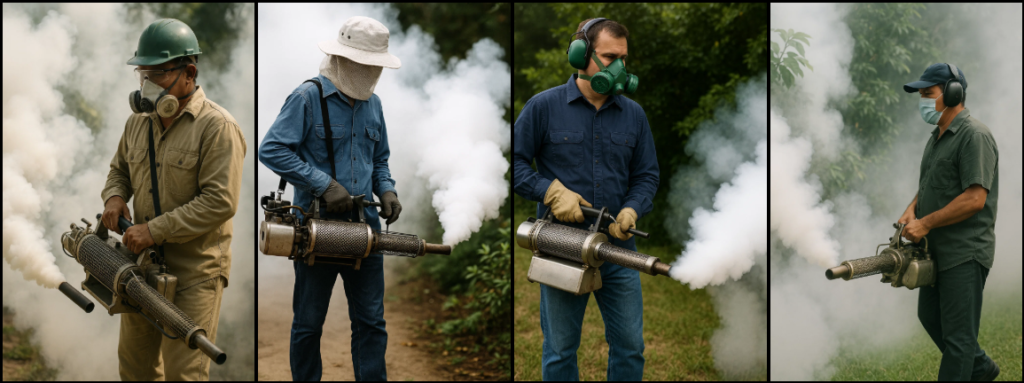
What is a mosquito fogger? A mosquito fogger is a device designed to emit a fine mist of insecticide to kill or repel mosquitoes over a large area. Unlike sprays or coils, which target mosquitoes in a limited zone, foggers disperse chemicals in a fog-like form that penetrates foliage, crevices, and hard-to-reach spots where mosquitoes typically hide.
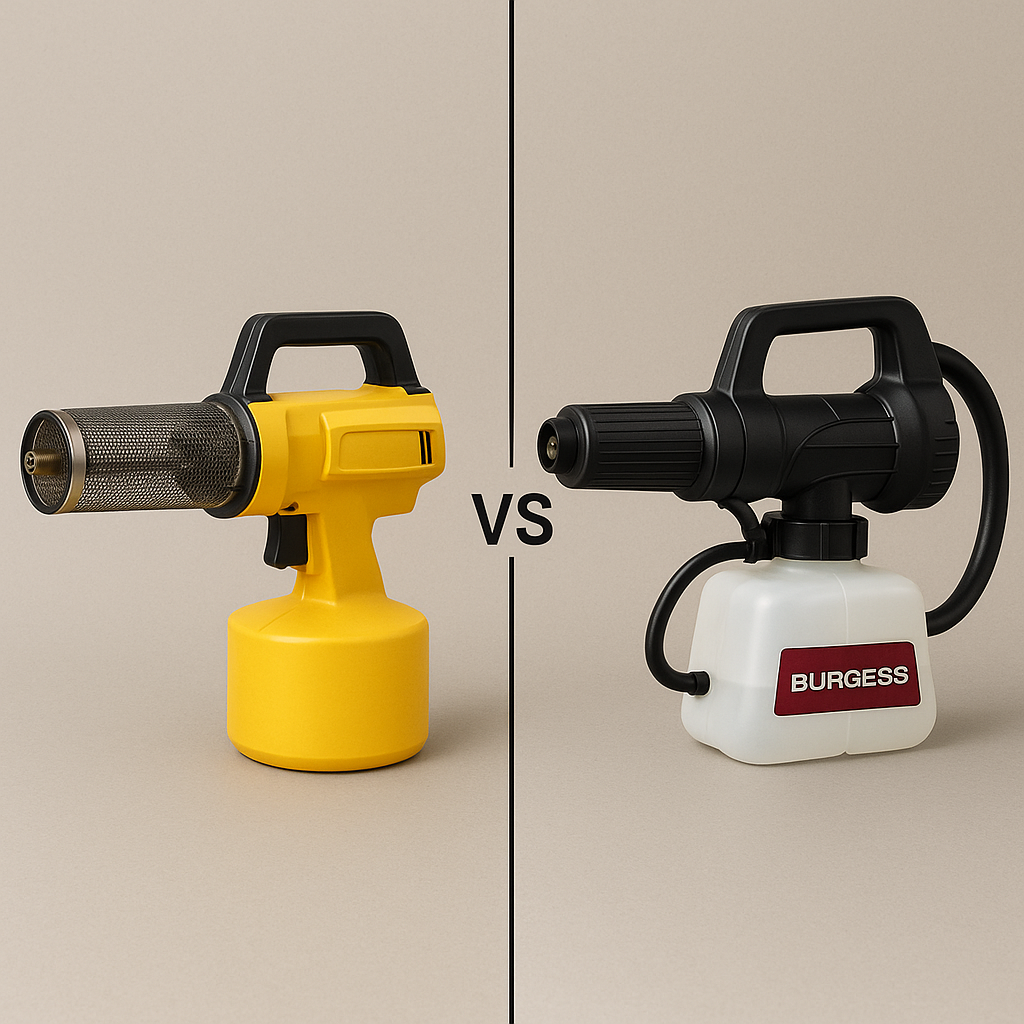
Types of mosquito foggers There are two primary types: thermal and ULV (ultra-low volume or cold foggers).
- Thermal foggers use heat to vaporize the insecticide, creating dense, visible fog. They’re best suited for outdoor use and are especially effective for covering large areas quickly.
- ULV or cold foggers use high air pressure to atomize the liquid insecticide without heat. These are quieter and often used indoors or in sensitive areas where smoke-like fog is undesirable.
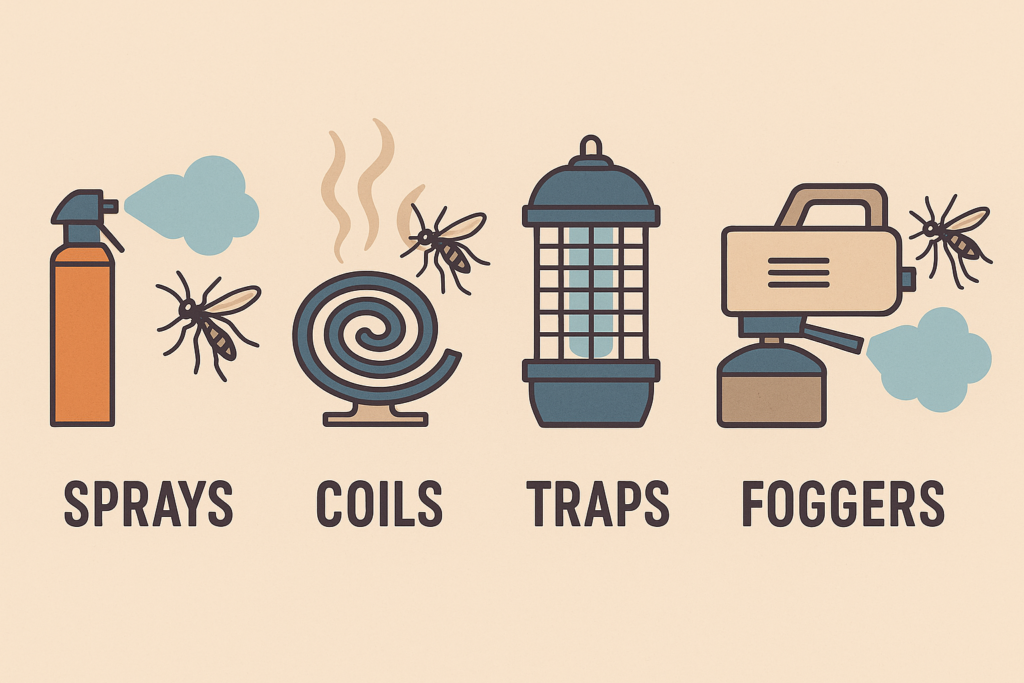
How foggers differ from sprays, coils, and traps Sprays and coils tend to be temporary solutions with limited coverage. Traps lure mosquitoes into a container where they die, but they take time to reduce populations. Foggers, by contrast, offer fast, broad-spectrum relief and can significantly reduce mosquito populations in minutes.
Key benefits of using a mosquito fogger:
- Rapid elimination of mosquitoes
- Long-lasting effects depending on the insecticide
- Suitable for large and complex outdoor areas
- It can be automated or manually operated
My Experience with Mosquito Foggers
I began experimenting with mosquito foggers after moving into a suburban home surrounded by woods and standing water. Mosquitoes were relentless, especially during summer evenings. Initially, I tried citronella candles and DEET sprays, but nothing offered lasting relief. That’s when I decided to test a range of mosquito foggers.
Over the years, I’ve tested more than 30 fogging units in various scenarios:
- Backyard patios and decks
- Campsites and RV setups
- Smart home integrations
- Community events and family gatherings
Challenges I faced included improper chemical mixing, poor weather conditions during fogging, and battery or fuel failures. These experiences taught me to pay close attention to safety features, ease of refilling, and compatibility with different insecticides.
My rating criteria:
- Effectiveness (mosquito reduction over time)
- Ease of use (setup, maintenance, portability)
- Cost (initial and recurring)
- Safety (for people, pets, and plants)
- Area coverage (range and penetration)
Components and Mechanics of a Fogger
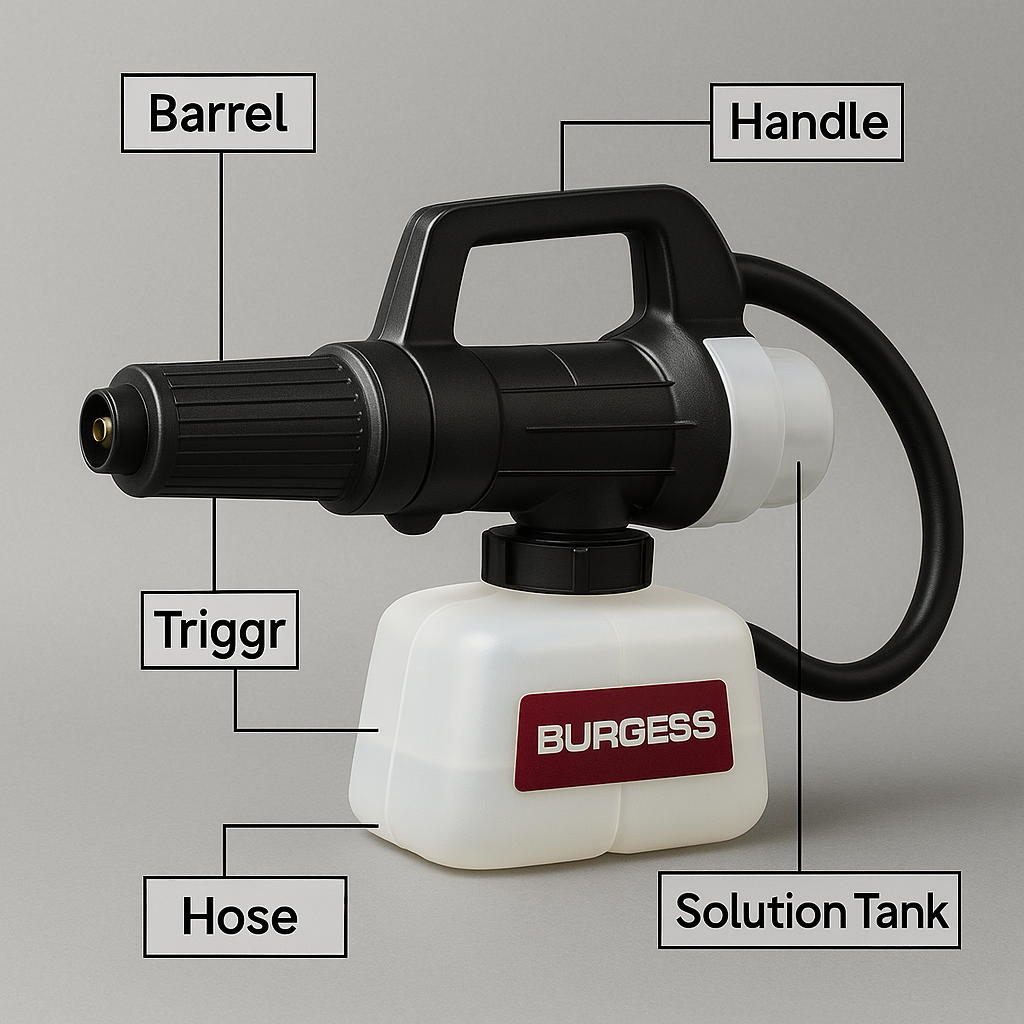
Foggers work by turning insecticide into a mist that hangs in the air, killing mosquitoes on contact. Here are the key components:
- Tank: Holds the insecticide solution
- Pump or pressure system: Pushes the solution through the system
- Heating coil or atomizer: Converts liquid to mist
- Nozzle: Directs the fog
Fuel sources and power:
- Thermal foggers: Usually powered by propane or butane
- ULV foggers: Typically electric (corded or battery-operated)
Types of insecticides:
- Pyrethrins and pyrethroids (common synthetic compounds)
- Essential oils (natural solutions for eco-conscious users)
Most quality foggers include safety features like automatic shutoff, anti-clogging systems, and adjustable flow rates.
Choosing the Right Fogger for Your Needs
When selecting a fogger, consider the following:
- Coverage area: Large yards vs. small patios
- Frequency: Occasional vs. regular use
- Portability: Handheld vs. backpack or stationary
- Budget: Entry-level vs. premium units
Comparison Table:
| Model | Type | Coverage | Power | Store | Best For |
|---|---|---|---|---|---|
| Burgess 1443 | Thermal | 5,000 sq ft | Propane | Amazon | Large yards |
| Black Flag 190107 | Electric | 1,200 sq ft | Plug-in | Amazon | Small areas |
| Tomahawk Turbo | Backpack ULV | 10,000+ sq ft | Gasoline | Amazon | Large properties |
Top Recommendations:
- Best for large properties: Tomahawk Turbo Boosted Backpack Fogger
- Best budget option: Black Flag 190107 Electric Insect Fogger
- Best for indoor use: PetraTools Fogger Machine
- Best eco-friendly fogger: Silver Bullet ULV Fogger
Deep Dive Reviews
1. Burgess 1443 Professional Thermal Fogger
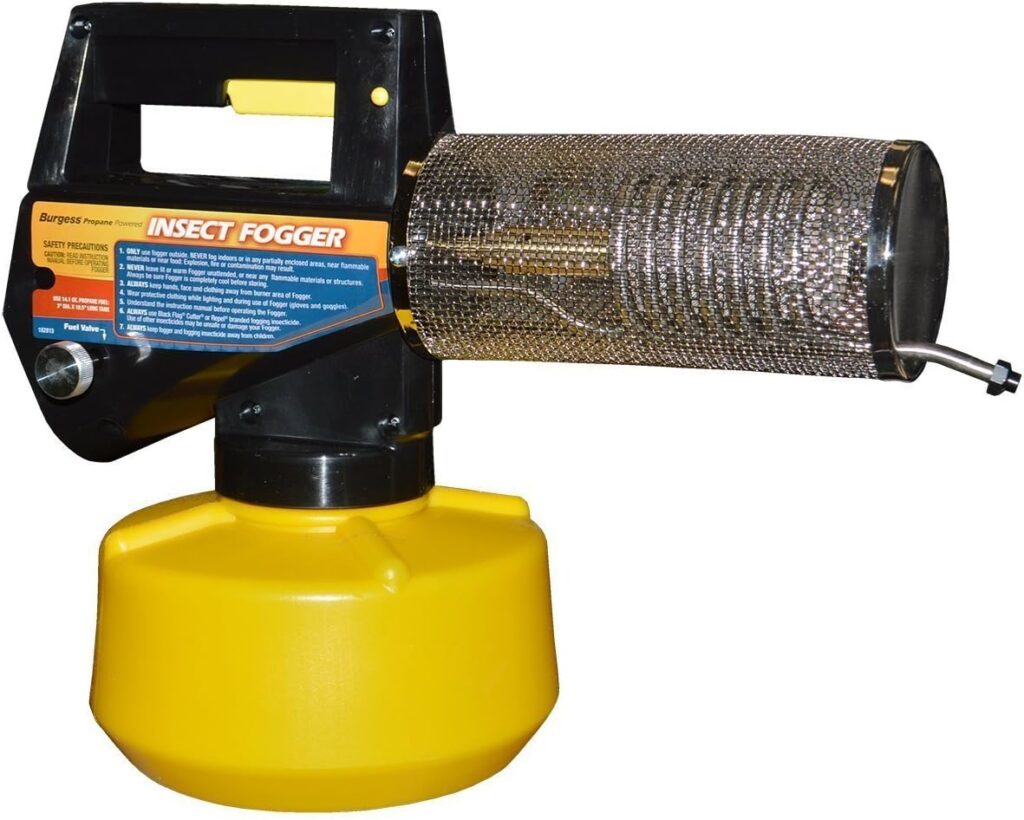
This propane-powered unit is my go-to for quick treatments. It heats up fast and produces dense fog that covers large areas in minutes. It’s great for patios, gardens, and pre-party prep.
2. Black Flag 190107 Electric Insect Fogger
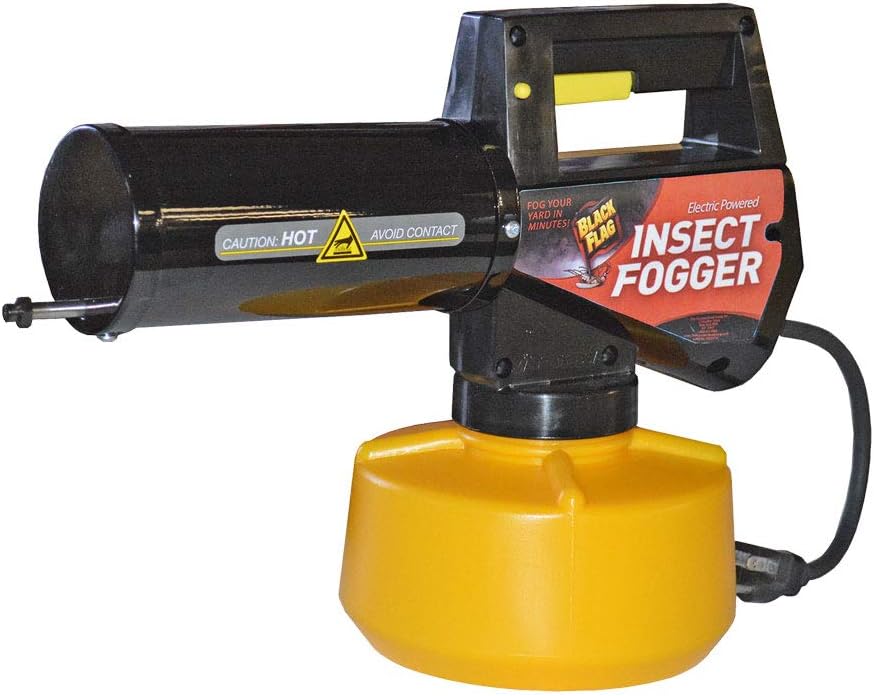
Affordable and effective, this plug-in model is perfect for small yards. The fog isn’t as thick, but it still works well for limited spaces. Maintenance is minimal.
3. Tomahawk Turbo Boosted Backpack Fogger
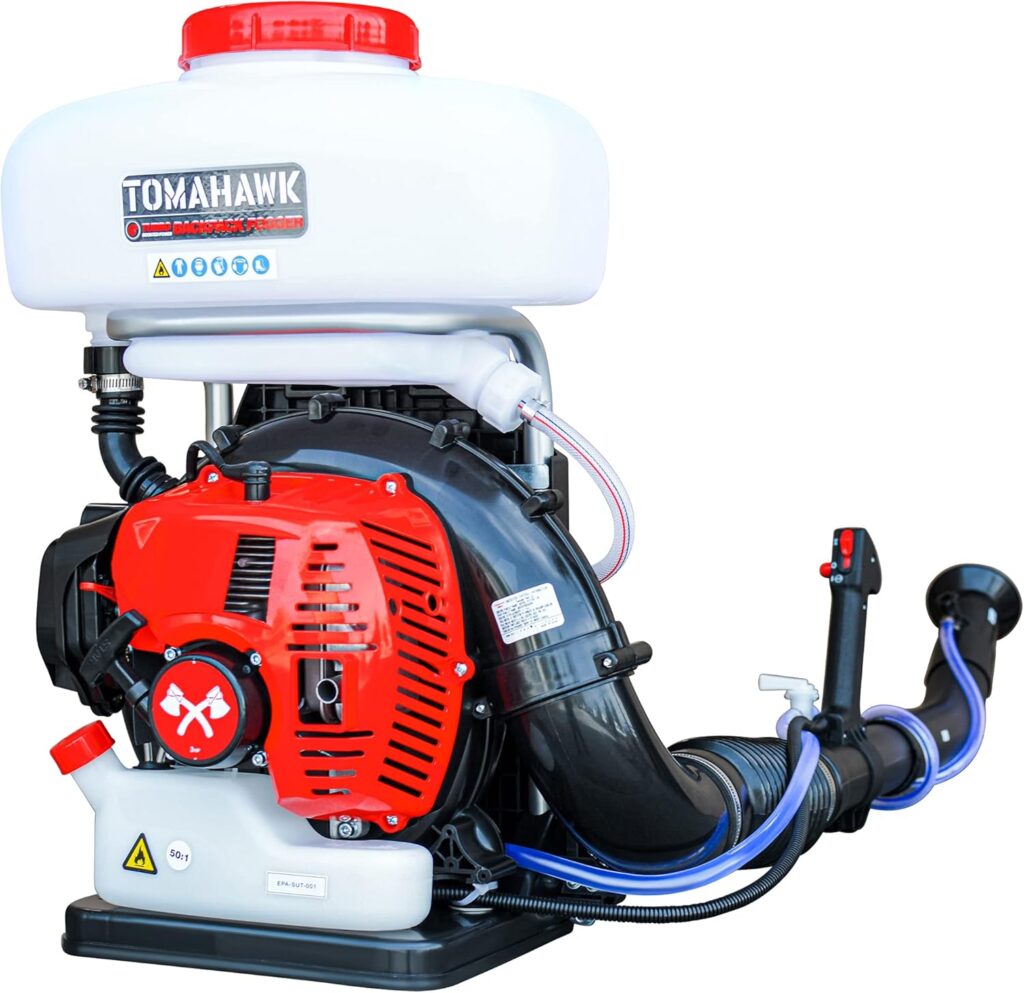
It is ideal for those with lots of land or serious mosquito problems. It’s gas-powered, heavy-duty, and doubles as a leaf blower.
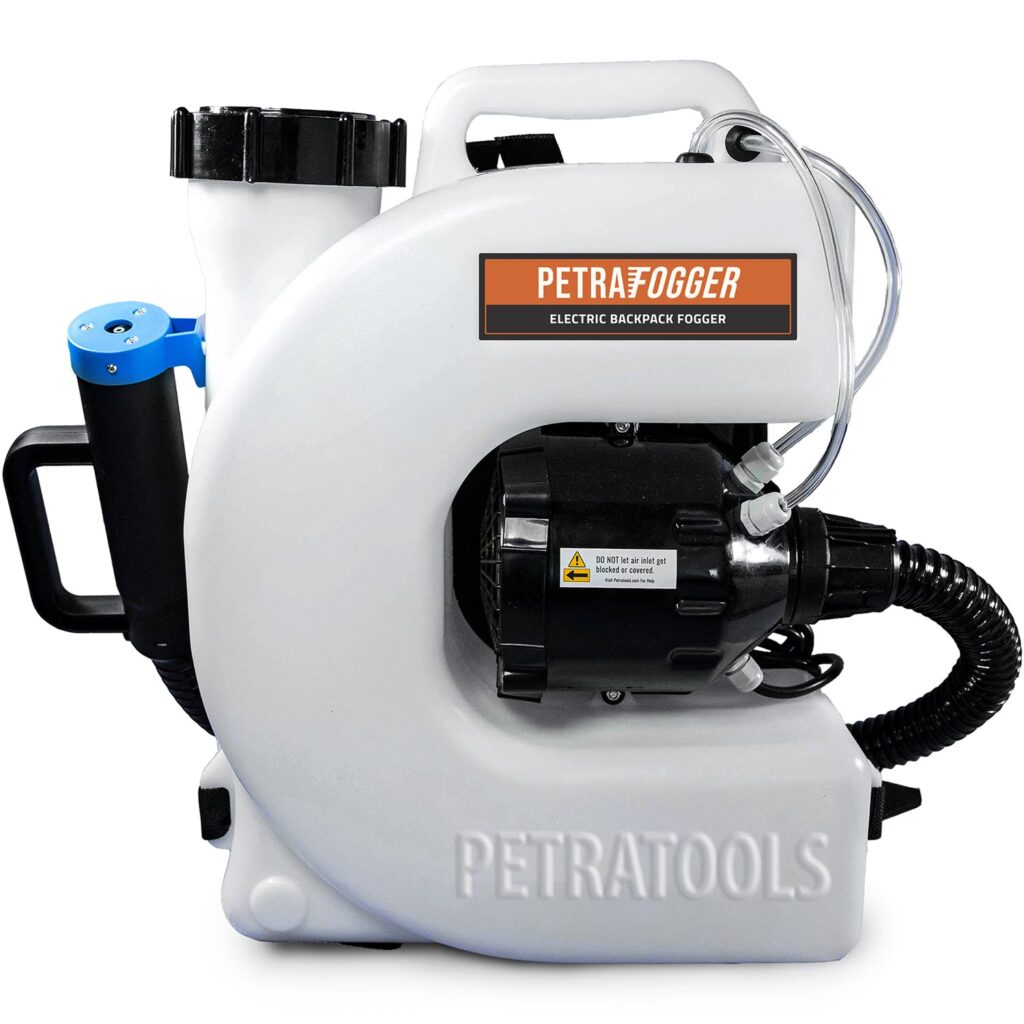
A reliable ULV model with adjustable flow rates and solid indoor/outdoor performance.
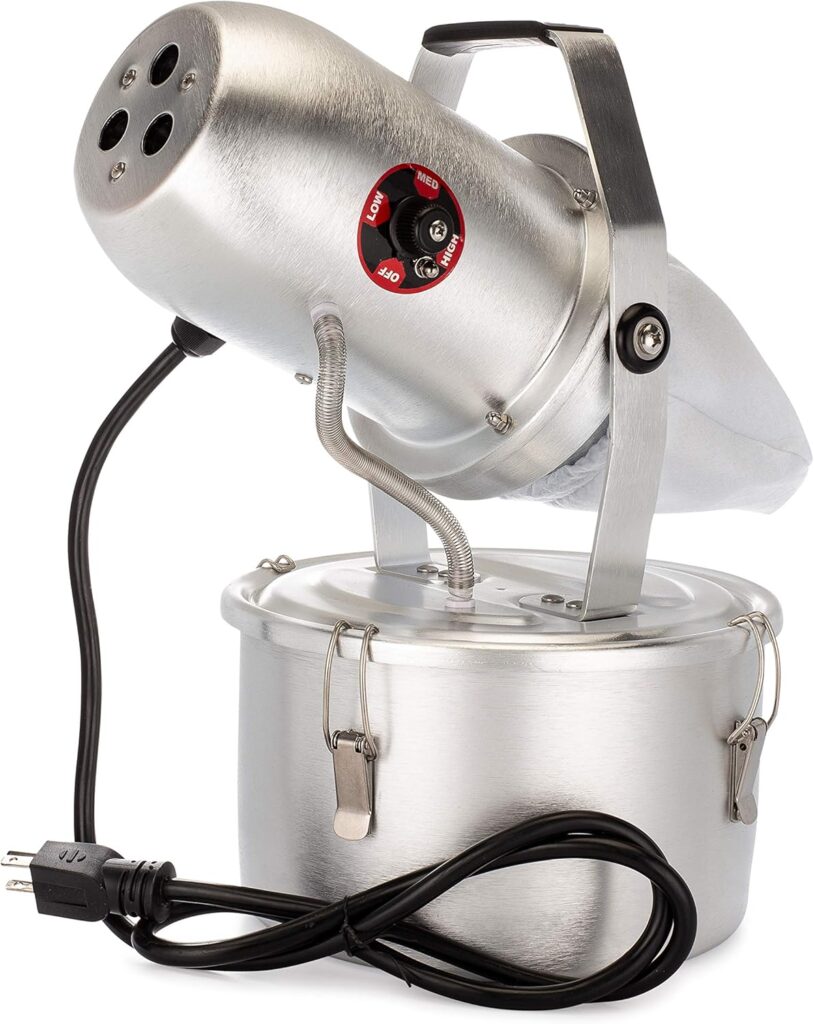
It is eco-friendly, compact, and ideal for homes with kids or pets. Compatible with essential oil solutions.
Best Practices for Using Mosquito Foggers
- Prepare your area: Remove standing water, cover food, and clear debris.
- Fog during early morning or dusk: Mosquitoes are most active then.
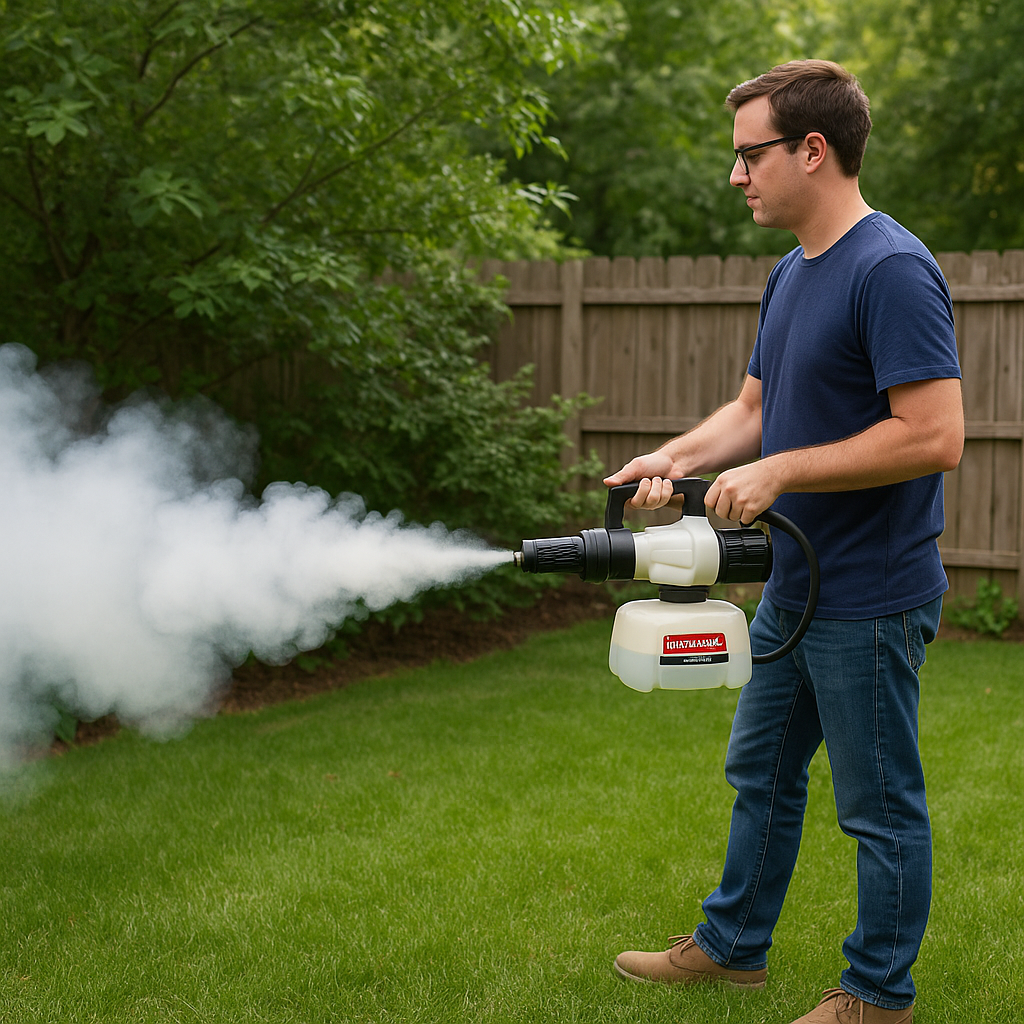
- Use protective gear: Gloves, goggles, and masks when mixing or fogging.
- Keep pets and children indoors during fogging and for at least 30 minutes afterward.
- Clean and store properly. Rinse tanks and nozzles; store in a cool, dry place.
Fogger Insecticides Explained
Choosing the right chemical is crucial. I typically alternate between natural and synthetic depending on the occasion:
- Pyrethroids (e.g., permethrin): Long-lasting, great for outdoors
- Natural oils (e.g., lemongrass, cedarwood): Safer for indoor and eco-conscious use
My preferred brands:
- Cutter Backyard Bug Control
- EcoRaider Mosquito Killer
- MGK Sector Misting Concentrate
Always follow manufacturer instructions for dilution and use. Store chemicals in labeled, childproof containers away from sunlight.
Integrating Foggers into Your Smart Home Setup
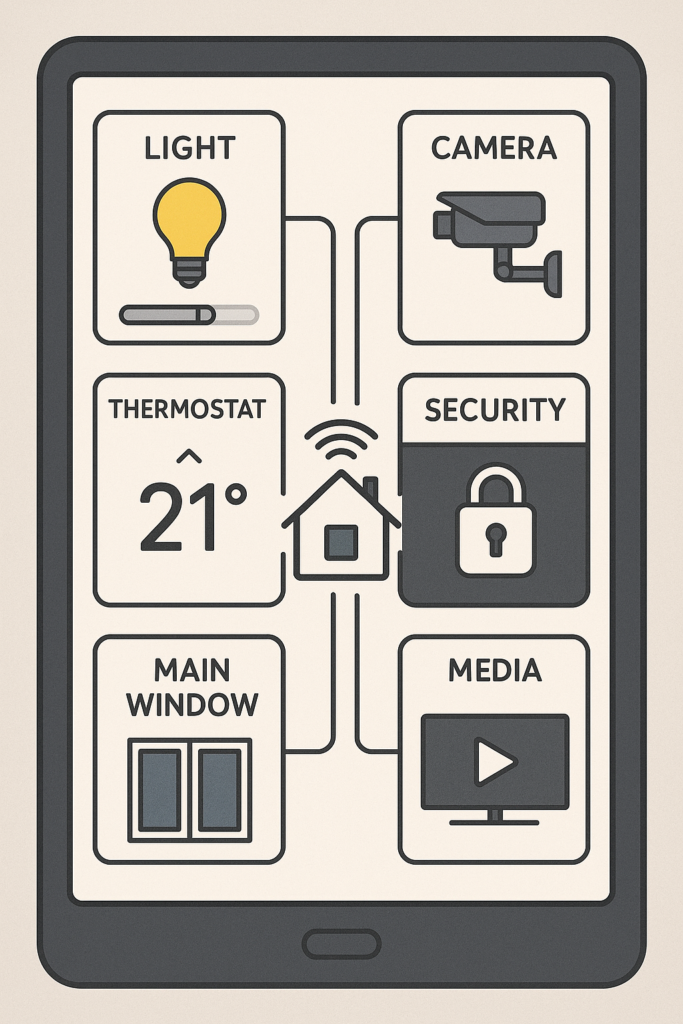
I love automation, so I integrated my foggers into my smart home system. Here’s how:
- Smart plugs: Control electric foggers with voice or app
- Timers: Schedule fogging during peak mosquito hours
- Weather apps: Avoid fogging on windy or rainy days
- Cameras and sensors: Monitor mosquito activity and trigger fogging
Environmental and Health Considerations
Mosquito foggers can be safe if used responsibly.
- Choose insecticides labeled for home use
- Avoid fogging near flowering plants to protect bees
- Use natural options when possible
Addressing myths:
- Foggers don’t sterilize the air—they only affect insects on contact.
- Properly used foggers won’t damage plants or poison pets.
Always check local regulations—some areas have restrictions on certain chemicals or fogging times.
Frequently Asked Questions
- Can I use a fogger indoors? Yes, but only ULV foggers with safe insecticides. Never use thermal foggers inside.
- How often should I fog my yard? Every 2–3 days during mosquito season or as needed after rain.
- Will foggers affect other insects like bees? Yes, if fogged indiscriminately. Fog early or late to avoid peak pollinator activity.
What should I do if I or a pet is exposed to fog? Move to fresh air immediately. Rinse skin with water. Consult a doctor or vet if symptoms persist.
Conclusion
Over the years, mosquito foggers have become an indispensable part of my home and outdoor living toolkit. With the right fogger and some practical know-how, you can reclaim your space from mosquitoes and enjoy your yard in peace. I hope this guide, built on firsthand experience, helps you navigate your options and make the best choice for your needs.
If you found this guide helpful, feel free to share it or reach out with your questions on AutoHomeGadgets.com. Stay bite-free!





SAMMY MWANGI the editor of Autohomegadgets.com. He is an Electronics Technician enthusiast and a Sales Manager in one of the leading ICT companies in Africa. When he is not working, he loves to travel and explore nature. He is a Robot fanatic too.