

When I first dipped my toes into the world of smart homes, I started with the basics: a smart plug to control my lamp, a Wi-Fi camera for peace of mind, and eventually a voice-controlled speaker. At the time, these devices felt futuristic, but also a little clunky. Each one had its own app, setup quirks, and sometimes more frustration than convenience.
Fast forward to today, and my home feels completely different. Instead of fumbling through half a dozen apps, my gadgets actually work together. My lights dim automatically when I start a movie, my thermostat adjusts itself when I leave the house, and my security system alerts me before I even realize there’s something to check.
This shift is just the beginning. The future of smart homes isn’t about filling our houses with more gadgets—it’s about creating homes that think, adapt, and respond to our lives seamlessly. And based on my personal experience living with these devices, I believe the coming years will bring both exciting innovations and new challenges.
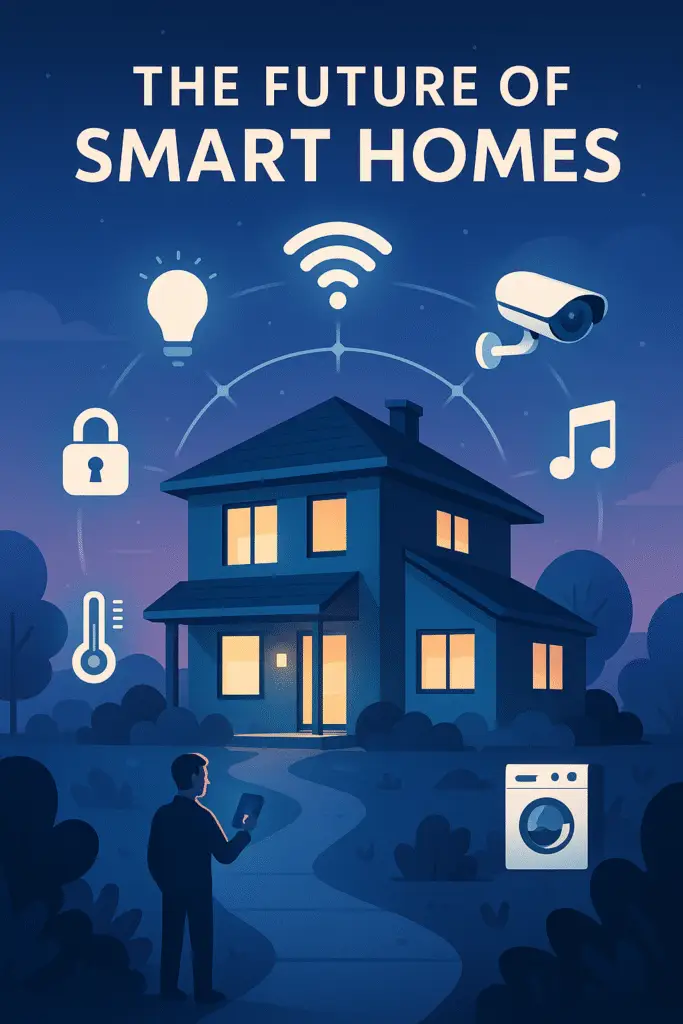
The Current State of Smart Homes
Currently, smart homes are more prevalent than ever. According to market reports, nearly 60% of households in developed countries own at least one smart home device. But the difference between a “smart gadget” and a true “smart home” is huge—and I’ve seen that firsthand.
My Smart Home Journey So Far
- Lighting: My first real upgrade was smart lighting. Being able to dim, change colors, or automate schedules felt like magic. Now, my lights turn on gradually in the morning to mimic sunrise, which makes waking up much easier.
- Climate Control: My smart thermostat was a game-changer. It not only cuts down my electricity bill but also adjusts based on my habits. Pairing it with a ceiling fan and an air purifier created a system that works together.
- Security: Starting with a single Wi-Fi camera, I’ve expanded to include smart locks, motion sensors, and doorbell cameras. I get instant alerts when there’s unexpected activity, giving me real peace of mind.
- Entertainment: My smart speaker has evolved from a glorified music player into a household assistant. It now integrates with my TV, sound system, and even my coffee machine.
Matter and Interoperability
One of the most frustrating parts of building my smart home was compatibility issues. Early on, I had to manage separate apps for each brand, and many products just didn’t play nicely together. But with the rise of Matter, a new universal smart home standard, that’s finally changing.
Matter allows devices from different brands—Amazon, Google, Apple, and others—to communicate in a common language. In my experience, setup has become noticeably easier. Instead of wondering if a gadget will work with my existing system, I now feel confident that it will integrate smoothly.
What’s Normal in Smart Homes
Today, it’s not unusual for households to have:
- Voice-controlled assistants (Alexa, Google Assistant, Siri)
- Smart lighting systems (bulbs, switches, strips)
- Connected thermostats and HVAC controls
- Wi-Fi security cameras and video doorbells
- Smart TVs and streaming systems
- A mix of smaller gadgets like plugs, sensors, and appliances
But what’s coming next is even more exciting—smart homes that go beyond “remote control” and become proactive, intelligent environments.
AI and the Intelligent Home
When I first brought home a voice assistant, I mostly used it for simple tasks: playing music, checking the weather, or setting a timer when cooking. Fast-forward a few years, and it’s amazing how much smarter these systems have become. What used to be a novelty now feels like a central brain for my home.
From Voice Control to True Intelligence
In the early days, smart homes were all about control—using your phone or voice to tell a device what to do. But now, we’re shifting toward intelligence, where the home anticipates your needs instead of waiting for commands.
For example:
- My smart speaker dims the lights automatically when I start streaming a movie.
- My thermostat suggests adjusting the temperature before I even notice it feels too warm.
- My security camera alerts me when it sees unusual activity, but ignores familiar faces like neighbors or family.
This isn’t just convenience—it’s a glimpse of the AI-powered home of the future.
Predictive and Personalized Experiences
The most exciting development is predictive personalization. Instead of just reacting, AI systems learn your patterns and adjust proactively.
Some examples I’ve experienced or seen in action:
- Lighting that learns habits: My lights gradually adjust throughout the day to match my routine—bright in the morning, warm and cozy at night.
- Climate control that adapts: My thermostat reduces energy use when it knows I’m not home, and pre-cools the house when I’m on my way back.
- Proactive reminders: My assistant warns me if I’ve left a window open when rain is coming.
These may sound small, but together they create a home that feels more attentive and less like a bundle of gadgets.
Real-World Applications of AI in Smart Homes
Here’s where AI is already making a difference:
- Security: Facial recognition and smart motion detection reduce false alarms.
- Energy Management: Systems balance power usage across appliances to lower bills.
- Entertainment: Smart TVs recommend shows based on viewing habits.
- Wellness: Devices like sleep trackers and air quality monitors suggest lifestyle changes.
From my own setup, the biggest leap has been with AI-driven security. My cameras now tell the difference between a passing car, my neighbor’s dog, and a potential intruder. That accuracy means fewer annoying notifications and more peace of mind.
The Road Ahead: Homes That Truly “Think”
In the near future, AI will go beyond simple routines and start managing our homes in ways that feel almost human:
- Contextual awareness: Your home won’t just follow a schedule—it’ll respond to your mood, health, or even the weather.
- Collaborative devices: Instead of gadgets working individually, they’ll act as a team. For example, your air purifier, humidifier, and thermostat adjust together for optimal comfort.
- Emotion recognition: Imagine lights and music adjusting automatically based on stress levels detected by wearable sensors.
This is the next leap: from smart homes to intelligent living environments. And while we’re not fully there yet, the groundwork is being laid right now.
Energy Efficiency & Sustainability
When I first installed a smart thermostat, I thought it would just make my home more comfortable. What surprised me most was how much it actually reduced my energy bills. By learning my schedule and preferences, it optimized heating and cooling in ways I hadn’t even considered. For example, it automatically turns the temperature down when I leave for work and adjusts it back just before I get home. That single upgrade showed me how smart technology can help us live not just more conveniently—but also more sustainably.
The Green Smart Home Movement
The future of smart homes is deeply tied to sustainability. As energy costs rise and climate change becomes a bigger concern, smart devices are stepping up as powerful tools for reducing waste. Many households, including mine, are already seeing the benefits.
Here’s where smart homes are making a difference today:
- Smart Thermostats: Adjust heating and cooling automatically based on your presence and routines.
- Smart Lighting: LED bulbs and motion sensors ensure lights aren’t left on unnecessarily.
- Smart Plugs & Appliances: Track and cut off phantom energy drain from devices in standby mode.
- Energy Monitoring: Apps show exactly where your electricity goes, helping you spot waste.
Personally, I’ve noticed that pairing smart plugs with my entertainment system saved me money without me even realizing it. My TV, game console, and soundbar used to consume energy even when turned off. Now, they’re completely cut off when not in use.
Solar Power Meets Smart Homes
Another exciting frontier is integrating solar energy with smart home systems. New solar inverters and batteries can sync with smart platforms to decide the best times to store or release energy. For example, excess solar power can charge a home battery during the day, then run your lights and appliances at night.
Some systems even connect with smart grids, selling unused energy back to the utility company. This kind of energy intelligence could make future homes not just efficient, but self-sustaining.
Water & Resource Management
It’s not just about electricity. Smart homes of the future will also save water and other resources. For example:
- Leak detectors that alert you before a drip becomes a flood.
- Smart irrigation systems that water your lawn only when soil sensors detect dryness.
- Appliances like washing machines that adjust cycles based on load size and water availability.
I’ve personally installed a leak sensor near my washing machine. Thankfully, it hasn’t had to save me yet—but I’ve seen it catch small drips in a friend’s home before they caused major damage.
The Bigger Picture: Eco-Friendly Living
What excites me most is how these technologies add up. A thermostat that saves a few dollars here, a smart plug that trims waste there—it doesn’t feel like much individually. But together, they create a home that’s significantly greener and more cost-effective.
Looking ahead, I believe the future of smart homes will include:
- Smart appliances that run when energy demand is lowest, reducing strain on the grid.
- Neighborhood-level smart systems where homes share energy.
- Government incentives and rebates for adopting eco-friendly smart tech.
Smart Security & Safety
When I first bought a Wi-Fi security camera, I honestly just wanted to check in on my house when I was away. It gave me peace of mind, but it also came with its share of frustrations—false motion alerts triggered by passing cars, delayed notifications, and the occasional app crash. Fast-forward to today, and smart security has come a long way. My home now feels not only safer, but also much smarter about how it protects me.
The Evolution of Smart Home Security
Security used to mean a loud alarm system and maybe a CCTV camera or two. Now, smart security systems combine multiple layers of protection into one connected network.
Here’s what my current setup looks like:
- Smart Locks: I can lock or unlock doors remotely, give temporary codes to guests, and even check if the kids forgot to lock up.
- Video Doorbell: This has become one of my favorite devices. I can see who’s at the door, talk to delivery drivers, and get motion alerts instantly.
- Cameras with AI Detection: Unlike my first camera, which would notify me for every moving leaf, my current system distinguishes between people, pets, vehicles, and random motion.
- Sensors: Motion detectors, window/door sensors, and glass break sensors add extra layers of awareness.
This combination gives me a level of confidence I didn’t have with traditional security systems.
AI-Powered Security: Fewer False Alarms
One of the biggest improvements has been the use of AI in cameras and sensors. My system now recognizes familiar faces and even learns regular patterns—like my neighbor walking her dog past my house every evening. Instead of constant pings, I only get notified when something out of the ordinary happens.
This shift from “constant alerts” to “meaningful alerts” has made my security system much more usable.
Safety Beyond Intruders
Smart homes aren’t just about keeping burglars out—they’re also about keeping us safe from everyday hazards. For example:
- Smart Smoke & CO Detectors: These send alerts to my phone if I’m not home, and some can even shut off HVAC systems to prevent the spread of smoke.
- Water Leak Sensors: I placed one under my sink and near my washing machine. A small drip could have gone unnoticed, but now I’d get an instant alert before it caused major damage.
- Smart Lighting for Safety: My outdoor lights turn on automatically at sunset and when motion is detected, making my yard less inviting to unwanted visitors.
My Experience with Smart Safety Devices
One time, my video doorbell alerted me to someone lingering at my front door late at night. I checked the live feed and saw it was just a neighbor’s friend waiting outside. Without that device, I wouldn’t have known whether to be worried or not. On another occasion, my leak detector gave me peace of mind when I was traveling, letting me check that no hidden water damage was happening back home.
These moments remind me that while smart devices might seem like small upgrades, they can make a huge difference in safety.
The Future of Smart Security
Looking ahead, I see home security becoming predictive rather than just reactive. Instead of only alerting me when something happens, systems may soon be able to:
- Recognize unusual behavior patterns (like someone casing a property).
- Integrate with city-wide security networks for faster emergency response.
- Use drones or robotic assistants to patrol properties automatically.
The goal will be to create homes that not only respond to danger but anticipate and prevent it.
Health & Wellness in the Smart Home
When most people think of smart homes, they imagine convenience, security, or entertainment. But one of the most exciting areas I’ve personally experienced is how smart technology can improve health and wellness. A few years ago, I started adding devices like a smart air purifier and a sleep tracker, and I was surprised at how much they influenced my daily routines for the better.
Breathing Easier: Smart Air Quality Devices
Indoor air quality is something I didn’t think much about until I tried a smart air purifier. The first week I used it, I noticed that it automatically ramped up whenever cooking smoke or dust levels increased. I didn’t have to fiddle with settings—it just reacted.
Today’s smart homes can include:
- Smart Air Purifiers: Automatically adjust speed based on pollutants.
- Air Quality Monitors: Track humidity, CO2, and VOC levels, giving real-time feedback.
- Smart Humidifiers/Dehumidifiers: Maintain optimal moisture levels for comfort and health.
I’ve personally noticed fewer seasonal allergy symptoms since adding these devices, which makes me appreciate how much our homes affect our health.
Smarter Sleep for Better Rest
Sleep is another area where smart homes are making a real difference. For me, a smart sleep tracker combined with a sunrise alarm clock has been life-changing. Instead of a jarring alarm, my lights slowly brighten to mimic sunrise, helping me wake up naturally.
Other innovations include:
- Smart Mattresses & Sleep Sensors: Track sleep cycles, heart rate, and movement.
- Lighting Automation: Adjust brightness and color temperature to encourage better rest.
- Climate Control for Sleep: My thermostat lowers the temperature slightly at night to create the ideal sleep environment.
These little adjustments add up to more refreshing mornings and more productive days.
Wellness Through Daily Routines
Smart homes can also encourage healthier habits by blending wellness into daily life:
- Hydration Reminders: Smart water bottles that track intake.
- Fitness Integration: Smart speakers sync with fitness apps, guiding workouts at home.
- Kitchen Tech: Smart scales and recipe apps that help manage nutrition.
In my own routine, I’ve found smart reminders from my wearable devices useful. If I’ve been sitting too long, I’ll get a nudge to stand and stretch. It’s subtle, but it makes me more aware of my health.
The Future: Health-First Smart Homes
Looking ahead, I see smart homes becoming more proactive health guardians:
- Homes that detect allergens or poor air quality before you even notice.
- Lighting systems are tuned to support circadian rhythms naturally.
- AI-driven wellness suggestions based on your personal patterns.
In fact, I believe the smart home of the future will blur the line between a living space and a personal health coach—constantly working in the background to help us feel our best.
Entertainment & Lifestyle in the Smart Home
When I first started adding smart gadgets to my home, entertainment wasn’t my top priority—I was more focused on convenience and security. But over time, I realized how much smart entertainment devices can transform the way we relax, socialize, and enjoy our living spaces. From smart TVs to connected speakers, my home now feels like a personalized entertainment hub.
The Rise of Smart Entertainment Systems
At the heart of today’s smart entertainment setups are smart TVs and streaming devices. Instead of juggling remotes, I can just ask my voice assistant to play a movie, adjust the volume, or switch apps. My favorite part is how everything works together—when I start a movie, the lights dim automatically, and my soundbar kicks into theater mode.
Here’s what my current smart entertainment setup includes:
- Smart TV with built-in streaming apps – No more external boxes.
- Voice-controlled speaker – Plays music, controls the TV, and sets the mood.
- Smart lighting scenes – Movie mode, party mode, or reading mode at a single command.
- Multi-room audio – Music follows me from the living room to the kitchen without interruption.
It feels like my home has its own personality, adjusting to fit whatever I’m doing.
Personalized Experiences with AI
AI has added a layer of personalization that I didn’t expect. My smart TV recommends shows I’m likely to enjoy, and my music system learns my habits. For example, it automatically cues up my morning playlist when I head to the kitchen for coffee.
This personalization makes entertainment feel less like flipping channels and more like having a curated experience tailored to me.
Beyond Movies and Music: Lifestyle Enhancements
Smart home entertainment isn’t just about screens and speakers—it’s also about lifestyle enhancements that make daily living more enjoyable:
- Smart Kitchens for Foodies: Recipe apps on smart displays that guide me step by step.
- Gaming Integration: Consoles syncing with smart lighting for immersive experiences.
- Smart Fitness at Home: Interactive workout mirrors, VR fitness apps, and guided routines through smart speakers.
Personally, I’ve had the most fun with smart lighting that syncs with music. Hosting friends feels more exciting when the lights pulse and change with the beat—it creates an atmosphere that would’ve been impossible a few years ago.
The Future of Smart Entertainment
Looking ahead, the next decade of smart home entertainment could be revolutionary. We’re moving from “connected gadgets” to fully immersive environments:
- Augmented Reality (AR) & Virtual Reality (VR): Imagine gaming or watching sports in your living room with holographic overlays.
- 360° Sound Experiences: Instead of just surround sound, speakers could adjust in real-time to match your movement in a room.
- Interactive Storytelling: Movies or shows that adapt to your choices, blending entertainment with AI.
- Holographic Displays: No TV needed—projections could bring media into any space.
It might sound futuristic, but so did talking to a speaker and having it control your whole home just a few years ago.
Why Lifestyle Integration Matters
For me, the most exciting part isn’t the tech itself—it’s how seamlessly it fits into my lifestyle. Smart homes should make daily life more enjoyable without feeling like you’re constantly managing gadgets. Whether it’s winding down with a movie, throwing a dinner party, or just enjoying music while cooking, my smart devices add a touch of personalization that makes my home feel uniquely mine.
Challenges and Concerns in the Smart Home
As much as I love the benefits of living with smart gadgets, I’ve learned that it’s not all smooth sailing. For every moment of convenience—like my lights dimming automatically—there’s been a moment of frustration, like an app crashing or two devices refusing to work together. The future of smart homes looks promising, but we have to acknowledge the challenges and concerns that come with this technology.
Compatibility Headaches
One of my earliest struggles was getting devices from different brands to play nicely together. I’d buy a new gadget, only to realize it required its own app or didn’t integrate with my existing setup. At one point, I had:
- A separate app for my lights.
- Another one for my thermostat.
- Yet another for my security camera.
It was overwhelming, and instead of simplifying my life, it complicated it. While the new Matter standard is helping unify devices, not everything supports it yet. Until universal compatibility becomes the norm, this will remain a pain point for many users.
Privacy and Data Security
Another concern I’ve had—and one many people share—is privacy. Smart homes work by collecting data: when we come and go, what rooms we spend time in, even what we watch or listen to. While this data makes the system smarter, it also raises important questions:
- Who owns this data?
- How securely is it stored?
- Can it be used for advertising—or worse, accessed by hackers?
Personally, I’ve had to go through every device and carefully adjust privacy settings. I only allow cloud storage for what I absolutely need, and I disable voice recordings on my assistants whenever possible. For the future of smart homes, trust will be just as important as innovation.
Cost Barriers
Another challenge is cost. Outfitting an entire home with smart devices isn’t cheap. Even though prices have dropped compared to a few years ago, the initial investment can still be intimidating. When I first started, I had to buy gadgets slowly—one at a time—until I built up a functional system.
This means that for many households, the dream of a fully smart home is still out of reach. Over the next decade, I expect companies to release more affordable entry-level products to make adoption easier.
Tech Fatigue and Over-Complexity
Sometimes, I’ve also found that more tech isn’t always better. A few years back, I tried a smart kitchen gadget that ended up being harder to use than its traditional version. Instead of simplifying my life, it made cooking feel like debugging software. This “tech fatigue” is real, and I believe the future of smart homes will depend on making technology simpler, not just more advanced.
My Lessons Learned
Here are the biggest takeaways from my experience dealing with challenges:
- Start small and expand gradually. Don’t try to go “full smart home” all at once.
- Stick with ecosystems that support multiple brands (or Matter-ready devices).
- Always check privacy settings during setup.
- Choose gadgets that truly improve your lifestyle, not just ones that look futuristic.
The Road to Improvement
The good news is that these challenges aren’t deal-breakers—they’re stepping stones. With ongoing work on standards like Matter, stronger privacy protections, and more consumer-friendly pricing, I believe these issues will fade over time.
The smart home of the future won’t just be intelligent—it’ll be easy, secure, and accessible for everyone.
Amazon Smart Home Recommendations
One of the best parts of writing about smart homes is being able to share which products actually work well in everyday life. Over the years, I’ve tested many different devices—some amazing, others frustrating—and I’ve found that a few stand out for their reliability, integration, and overall value.
Below are my Amazon-recommended smart home devices across different categories, based on both market reputation and my personal hands-on experience.
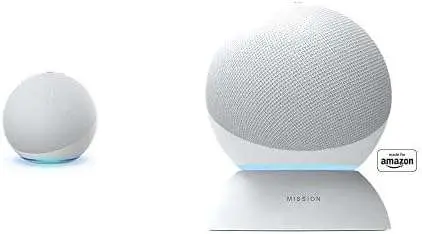
🏠 Smart Speakers & Hubs
These are the “brains” of the smart home. I’ve found that having a reliable hub or speaker makes everything else smoother.
| Product | Why I Recommend It | Key Features | Best For |
|---|---|---|---|
| Amazon Echo (4th Gen) | I use this daily—it’s affordable, powerful, and integrates with almost everything. | Great sound quality, supports Matter, built-in Zigbee hub. | Beginners and everyday users. |
| Google Nest Hub Max | I liked the large screen for video calls and displaying smart camera feeds. | High-quality sound, Siri integration, and support for Matter. | Families, kitchens, smart displays. |
| Apple HomePod (2nd Gen) | Works beautifully if you’re in the Apple ecosystem. | Apple users want premium audio. | High-quality sound, Siri integration, and support Matter. |
👉 My personal favorite: The Amazon Echo (4th Gen)—it’s been the most consistent and easiest to integrate with my devices.
💡 Smart Lighting
Lighting was one of the first upgrades I made, and it’s still one of the most impactful.
| Product | Why I Recommend It | Key Features | Best For |
|---|---|---|---|
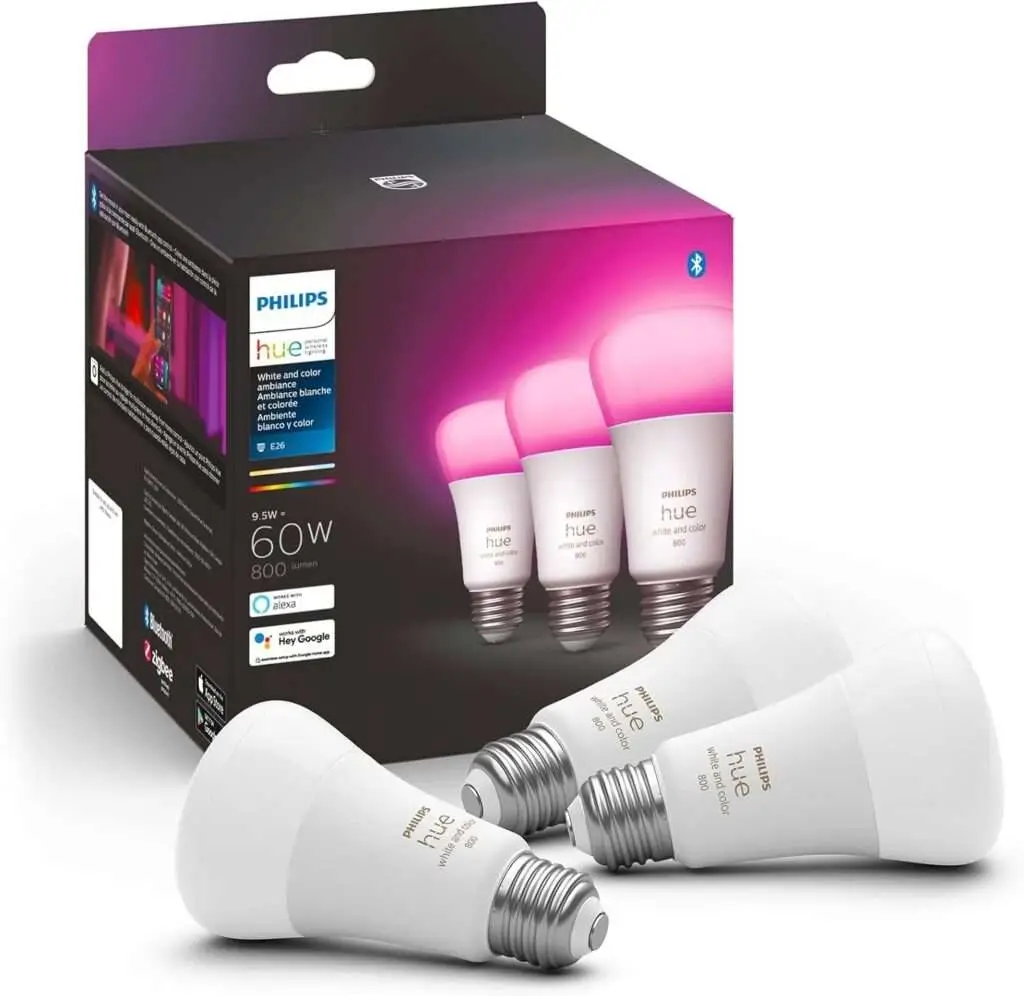
| Philips Hue Starter Kit | My go-to system. The app is smooth, and the lights have been reliable for years. | 16M colors, app + voice control, Matter compatible. | Full-home smart lighting setups. |
| Kasa Smart Wi-Fi Bulbs | Budget-friendly, no hub required. | Dimmable, app control, works with Alexa/Google. | Beginners on a budget. |
| Govee Smart Light Strips | Great for ambiance—I use them for movie nights. | Syncs with music, voice control, customizable colors. | Entertainment setups, gaming rooms. |
👉 My personal tip: Start with Philips Hue for whole-home lighting, but use Govee strips for entertainment areas.
🌡️ Smart Thermostats & Energy Devices
These devices gave me some of the most noticeable benefits in cost savings.
| Product | Why I Recommend It | Key Features | Best For |
|---|---|---|---|
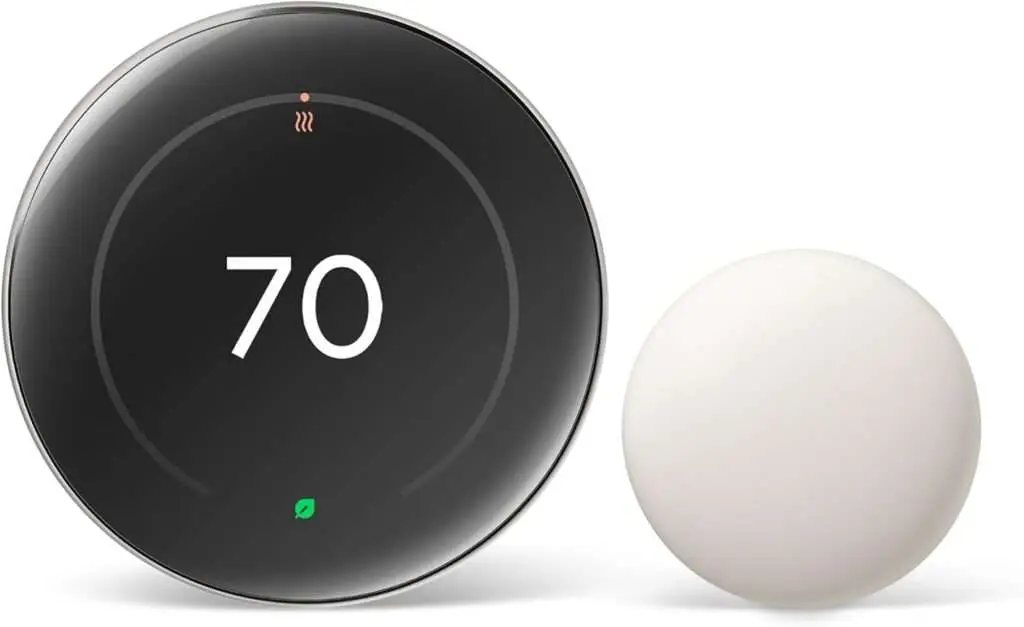
| Google Nest Learning Thermostat | Saved me money on energy bills—worth every penny. | Learns your habits, app control, eco mode. | Households wanting efficiency + savings. |
| ecobee Smart Thermostat Premium | I liked the built-in Alexa and air quality monitoring. | Voice assistant, room sensors, Matter support. | Larger homes or multi-room control. |
| Kasa Smart Plug HS300 | Tracks energy use and stops phantom drain. | 6-outlet strip, energy monitoring, app control. | Cutting standby power costs. |
👉 My personal favorite: The Nest Learning Thermostat—after just a few months, I noticed my electricity bill dropping.
🔒 Smart Security Devices
Security has been one of the most rewarding areas of my smart home journey.
| Product | Why I Recommend It | Key Features | Best For |
|---|---|---|---|
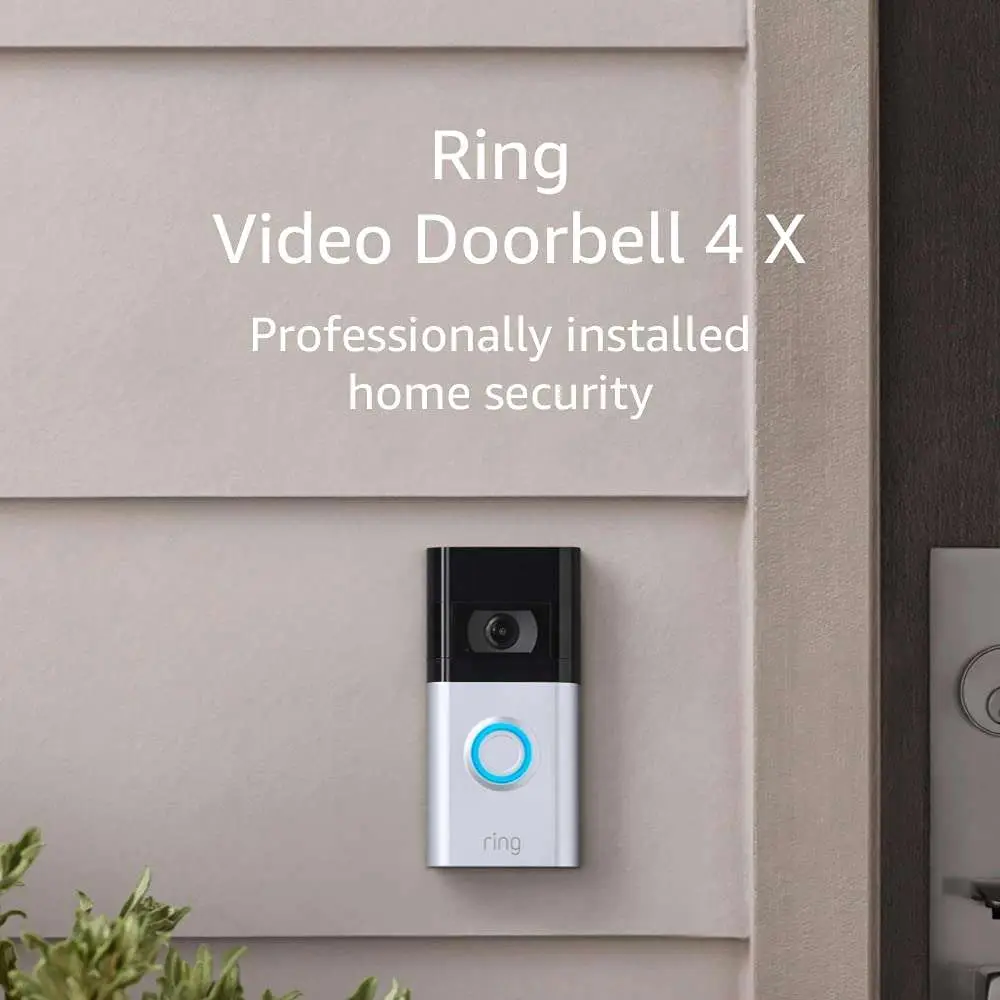
| Ring Video Doorbell 4 | I use this daily. Seeing deliveries in real-time is invaluable. | HD video, motion detection, two-way audio. | Entry-level smart security. |
| Arlo Pro 4 Spotlight Camera | Great outdoor camera with excellent clarity. | 2K HDR video, color night vision, wireless. | Outdoor home security. |
| August Smart Lock Pro | I love being able to lock/unlock remotely. | Auto-lock/unlock, app control, voice assistant support. | Families, rentals, Airbnbs. |
👉 My personal tip: The Ring Video Doorbell has been my most reliable security device—it’s caught everything from late-night visitors to unexpected deliveries.
🎶 Entertainment & Lifestyle Devices
These make the home more fun and immersive.
| Product | Why I Recommend It | Key Features | Best For |
|---|---|---|---|
| Sonos One (Gen 2) | Fantastic sound—I use it for music in my living room. | Alexa/Google Assistant built-in, multi-room audio. | Music lovers. |
| Roku Ultra | Simple, powerful streaming. | 4K, HDR, voice remote, tons of apps. | Streaming-focused households. |
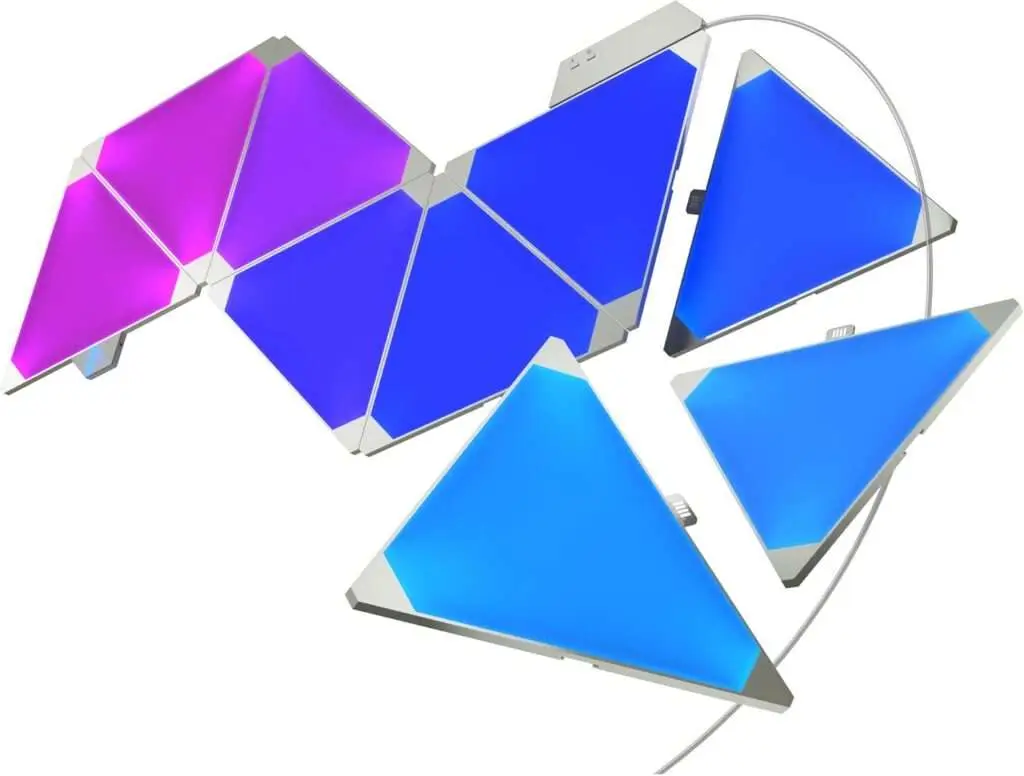
| Nanoleaf Shapes Light Panels | These transformed my home office setup. | Modular design, app control, music sync. | Gamers, creative spaces. |
👉 My personal favorite: Nanoleaf Shapes—they’ve made my office both functional and fun.
🛒 Quick Buying Advice from My Experience
- If you’re just starting, begin with a hub + smart lighting. It’s the easiest way to see the benefits immediately.
- For security, video doorbells give the most impact for the least hassle.
- Don’t overspend early—start with a few key devices and expand over time.
Looking Ahead – The Next 10 Years of Smart Homes
When I first started experimenting with smart home gadgets, I thought I was just making life a little more convenient—turning lights on with my voice, adjusting the thermostat from bed, or checking deliveries at the door. But after years of using and testing these devices, I’ve realized something bigger: we’re only at the beginning of what smart homes can really do.
The next 10 years will transform our homes from connected spaces into intelligent, adaptive environments. Based on my experience, here’s what I see coming:
1. AI-Powered Homes That Learn You
Right now, I have routines set up with Alexa and Google Home—lights dim in the evening, the thermostat adjusts before bedtime, and my coffee machine starts in the morning. But I had to program these routines myself.
In the near future, homes will do this automatically, without manual input. AI will notice:
- When I usually wake up and adjust my lighting/temperature.
- On what days am I likely to work late and leave lights on longer?
- Which rooms I rarely use and optimize energy around those.
It won’t just be “smart”—it will feel intuitive.
2. Smart Homes and Smart Cities Connecting
When I tested the Nest Learning Thermostat, I noticed how much money it saved me just by managing my home’s heating and cooling. Now imagine if the entire city worked together.
Future smart homes could:
- Coordinate with the power grid to reduce strain during peak hours.
- Connect with public services so garbage collection, street lighting, and water usage all optimize together.
- Adapt to weather alerts—closing shutters or switching to backup power before a storm hits.
Homes won’t just be isolated gadgets—they’ll be nodes in a larger ecosystem.
3. Health and Wellness Integration
One of the surprises from my smart home journey was how helpful devices like the ecobee Smart Thermostat (with air quality monitoring) were for indoor health. I didn’t expect my thermostat to remind me about air quality—but it made a difference.
Looking forward, I expect homes to:
- Monitor air quality, allergens, and humidity in real time.
- Use wearable integration to track sleep, stress, and activity—then adjust the home environment accordingly.
- Detect early signs of issues (like water leaks or mold) before they become health hazards.
In 10 years, a “healthy home” will be as important as a “safe home.”
4. Sustainability Becoming Standard
When I first added smart plugs and thermostats, I noticed a dip in my power bill. But the bigger picture is sustainability.
Future smart homes will:
- Be built with solar panels, battery storage, and EV chargers as defaults.
- Run on automated energy optimization, selling excess power back to the grid.
- Use AI-powered appliances that only run when electricity is cheapest and cleanest.
This isn’t just convenience—it’s about lowering costs and lowering carbon footprints.
5. Security Moving Beyond Cameras
I love my Ring Video Doorbell 4—it’s caught everything from late-night visitors to unexpected deliveries. But future smart security will go further.
Expect to see:
- Biometric access—your home unlocking with your face, voice, or even gait recognition.
- Drone patrols that scan property perimeters.
- Neighborhood networks where cameras share threat data (while hopefully balancing privacy).
Instead of just “watching,” homes will actively protect.
6. The Big Question: Privacy vs. Convenience
This is something I’ve wrestled with personally. Smart devices are incredibly convenient, but I’m always aware that data is being shared. The Echo listens, the Nest learns, and my Ring camera stores footage in the cloud.
In the next 10 years, the smart home industry will need to:
- Offer local storage options for privacy-conscious users.
- Build transparent data policies so we know what’s being collected.
- Balance the trade-off between convenience and control.
For me, I’m comfortable using these devices because the benefits outweigh the risks—but I think consumers will demand stronger protections as homes get even smarter.
7. The “Invisible” Smart Home
When I started my smart home journey, devices were obvious—you saw the gadgets, you set them up, you controlled them manually. But in the future, the best smart homes will be invisible.
- Walls, windows, and furniture will have built-in sensors.
- Devices won’t look like gadgets—they’ll just be part of the home.
- Instead of “setting routines,” the home will simply respond without you noticing.
The future isn’t about more screens or apps—it’s about technology fading into the background, making life smoother without being intrusive.
Conclusion: The Smart Home Journey Has Only Just Begun
When I think back to the first time I installed a smart plug, I never imagined how far I’d go with smart home technology. What started as a simple experiment in turning lights on with my phone has grown into a fully connected environment that manages comfort, security, and even energy savings automatically.
And here’s the exciting part: we’re still just scratching the surface.
From AI-driven personalization to healthier living environments, from sustainable homes that generate their own energy to invisible systems that blend into our walls—the future of smart homes isn’t just about gadgets. It’s about living smarter, safer, and more comfortably every single day.
My Experience, Your Journey
Having tested dozens of devices—Nest, Ring, Echo, ecobee, Philips Hue, and more—I can say with confidence that smart homes aren’t just a tech trend. They’re a lifestyle upgrade. Some devices have been game-changers (like smart thermostats and security systems), while others took trial and error to integrate smoothly. But each step taught me something new about what really matters: convenience, security, and peace of mind.
What’s Next for You?
If you’re just starting your smart home journey, begin small—maybe with a smart plug, light bulb, or video doorbell. If you’re already deep into smart gadgets, think about how you can optimize further—energy savings, health monitoring, or tighter security.
Either way, the future is bright (literally, if you’ve got smart bulbs like me 😄).
✅ Your Turn
- Have you tried smart home gadgets yet?
- Which devices have made the biggest impact on your life?
- Are you excited—or maybe cautious—about what’s coming next?
I’d love to hear your experiences in the comments below.
👉 And if you’re ready to take your smart home to the next level, check out my recommended smart home gadgets on Amazon—they’re the exact ones I’ve tested and trust in my own home.





SAMMY MWANGI the editor of Autohomegadgets.com. He is an Electronics Technician enthusiast and a Sales Manager in one of the leading ICT companies in Africa. When he is not working, he loves to travel and explore nature. He is a Robot fanatic too.